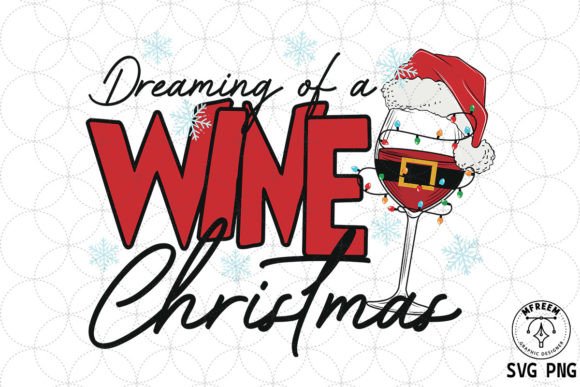
Dreaming of a Wine Christmas Sublimation Review
As a designer who spends half my life staring at digitized files and the other half troubleshooting tension issues on the sewing machine, I don’t just buy designs; I stress-test them. When Dreaming of a Wine Christmas Sublimation landed in my inbox, my first thought wasn’t about the holiday cheer—it was about execution. Would this translate well to thread? Would it hold up as a commercial product for an Etsy shop or a boutique brand? After running through some mental simulations and reviewing the file specifications, here is my practical take on how this design fits into real-world embroidery workflows.
First Impressions: Mood and Visual Personality
The title alone sets a specific tone. This isn’t your bright, primary-colored, cartoonish holiday clipart. The "Wine" aspect suggests a deeper, richer palette—think burgundy, merlot, deep plum, and perhaps some muted golds or creams. In the world of holiday embroidery, this creates an immediate sense of sophistication. It feels less like a novelty item and more like a lifestyle piece.
Visually, the layout appears balanced for a central chest placement on apparel or a centered focal point on home goods. The retro Christmas vibe mentioned in the description hints at vintage typography or classic iconography, which tends to age better than trendy graphics. For an Etsy seller or small business owner, this distinction matters. Customers are increasingly drawn to designs that feel curated and timeless rather than mass-produced. The mood here is cozy, intimate, and slightly nostalgic—a perfect match for winter evenings by the fire.
Real-World Application: Where Does This Design Shine?
I’ve been thinking about where Dreaming of a Wine Christmas Sublimation would actually sell. Based on its aesthetic, it screams "custom apparel" and "personalized gift." Let’s look at a few concrete scenarios.
- The Holiday Sweatshirt: Imagine this stitched onto a heather grey or black crewneck sweatshirt using rich wine-red threads with white highlights. The contrast would be striking but not overwhelming. It works perfectly for family matching outfits or a boutique holiday collection. The retro theme pairs beautifully with heavy cotton blends, giving that authentic, worn-in feel.
- Kitchen and Home Textiles: This design has strong potential for tea towels or kitchen aprons. If you are targeting homeowners who love to entertain, placing this on a natural linen apron with wine-colored thread creates a cohesive look. It’s subtle enough for daily use but festive enough for Christmas morning hosting.
- Baby and Nursery Items: Soft baby clothes often suffer from overly loud graphics. A softer, wine-toned design offers a gender-neutral option for parents who want something elegant. Think onesies or swaddle blankets where the embroidery project adds texture without visual clutter.
- Tote Bag Design: For the craft business angle, a sturdy canvas tote bag featuring this design could be a bestseller at craft fairs. The durability of the bag matches the enduring nature of the retro style.
However, it’s crucial to remember that while the source file is described as a sublimation design, we are evaluating it for machine embroidery. The transition from print to stitch changes everything. You need to ensure the digital preview translates into clean stitch density when converted to an embroidery file.
Technical Considerations and Stitch Quality
When I review a digital embroidery file, I’m always looking for clarity. The description notes a resolution of 4500 x 5400 pixels, which is excellent for scaling, but pixel dimensions don’t dictate stitch quality. Here is what you need to watch out for when preparing this for production.
Stitch Density and Detail: Retro designs often rely on clean lines and solid blocks of color. If the original artwork has tiny, intricate details, they may get lost in the thread. Before committing to a large run, test the design to see if small elements require satin stitch or if they can be handled with efficient fill stitch patterns. Overly dense areas can cause puckering, especially on lighter fabrics.
Thread Color Contrast: The success of this design hinges on your thread choices. If you are stitching on dark fabric, you’ll need light underlay or a contrasting top thread to make the wine tones pop. Conversely, stitching wine red on a dark navy background might result in a muddy, low-contrast look. Always test thread colors against your actual fabric stock. A good rule of thumb is to compare your design in a black-and-white mockup to check value contrast before cutting any stabilizer.
Hoop Size and Placement: Ensure the design fits comfortably within your standard hoop sizes. If the design is too large, you may need to reposition it or split the stitching process, which can lead to alignment issues. For items like caps or curved surfaces, the curvature can distort the perspective of the design. Test on a sample cap to ensure the text and graphics remain legible and proportional.
Where to Be Careful
Not every surface is created equal. There are several scenarios where Dreaming of a Wine Christmas Sublimation might struggle:
- Textured Fabrics: Bouclé, fleece, or heavily textured knits can hide fine details and make stitches look uneven. Stick to smooth fabrics like cotton, polyester blends, or denim for the cleanest finish.
- Stretchy Materials: While jersey knit is popular for t-shirts, it requires proper stabilizer usage to prevent distortion. If the design has long straight lines, stretchy fabric might cause them to wobble after washing.
- Small Hoop Sizes: If you are working with very small hoops (like those used for socks or tiny accessories), intricate details may become indistinguishable. Simplify the design digitally if necessary.
- Frequent Washing: For items like kitchen towels or workwear, ensure the stitch types chosen are durable. Long floating stitches can snag. Use proper stabilizer and trim jump threads carefully to maintain a professional finished product.
Commercial Viability and Brand Consistency
For the creative entrepreneur or apparel decorator, consistency is key. This design’s retro aesthetic allows it to fit into a broader brand identity. If your shop focuses on vintage-inspired goods, this design reinforces that niche. It helps build customer trust because buyers recognize a consistent style language across your listings.
Furthermore, the inclusion of both SVG and PNG files in the download suggests versatility. While we are focusing on embroidery, having these vector and raster assets allows you to create printable mockups for your online store. You can visualize how the design looks on different products before investing time in digitizing and stitching. This saves money and helps you market the product more effectively to potential buyers.
Final Verdict: Is It Worth the Setup?
Dreaming of a Wine Christmas Sublimation is a strong contender for designers looking to add a touch of elegance to their holiday lineup. It avoids the clichés of traditional Christmas graphics and taps into a more mature, stylish demographic. However, its success depends entirely on your technical execution.
Before you start producing, follow these steps:
- Test on Scrap Fabric: Never skip this step. See how the wine tones interact with your specific fabric weave.
- Check Licensing: Confirm whether the digital download includes commercial rights for selling finished embroidered goods. This varies by creator.
- Optimize Stitches: Adjust stitch density and underlay settings to suit the fabric type.
- Inspect Details: Zoom in on the digital file to ensure no critical details are too small for machine embroidery.
If you approach this design with care and attention to detail, it has the potential to become a standout item in your craft business inventory. It’s not just a Christmas decoration; it’s a statement piece that speaks to quality, taste, and the joy of handmade gifts. For the right maker, this is exactly the kind of asset that elevates a hobby into a professional brand.