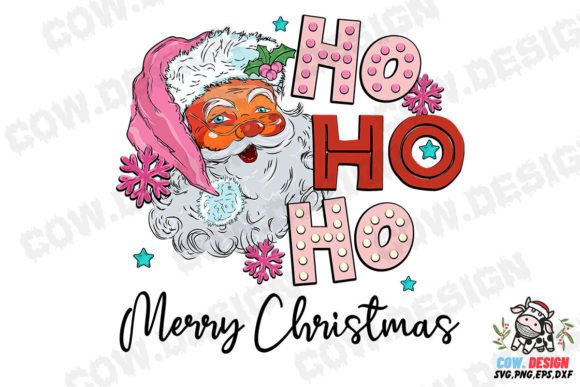
Ho Ho Ho Santa Christmas Sublimation: A Designer’s Review
As a designer who spends more time scrutinizing stitch lines than enjoying the finished product, I approach every new embroidery file with a healthy dose of skepticism. The holiday season is perhaps the most demanding time for crafters and small business owners, where the margin for error shrinks alongside the production timeline. When I first laid eyes on the Ho Ho Ho Santa Christmas Sublimation design, my immediate question was not about its festive cheer, but about its structural integrity in a hoop. Would it translate well from a digital screen to physical thread? Could it hold up as a centerpiece for a commercial handmade product? After running through the mental checklist of layout, detail density, and thematic resonance, here is my practical evaluation of this machine embroidery design.
First Impressions and Visual Personality
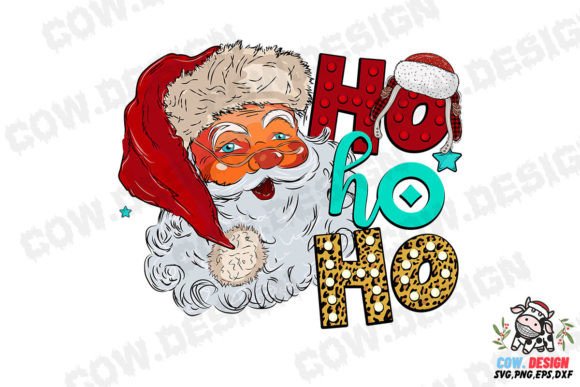
The title Ho Ho Ho Santa Christmas Sublimation suggests a retro aesthetic, likely leaning into mid-century modern or vintage typography styles that have seen a resurgence in recent years. From a design perspective, this is a smart move. Retro themes tend to age better on products like sweatshirt embroidery or tote bag design elements because they evoke nostalgia rather than fleeting trends. The visual personality of the piece appears bold and cheerful, relying on strong shapes and clear negative space.
What stands out immediately is the balance between text and imagery. In many holiday designs, the "Santa" element can become cluttered, especially when combined with large lettering. However, this design seems to prioritize readability. For an Etsy seller or anyone creating personalized gifts, clarity is king. If a customer cannot instantly recognize the theme within a split second, the design fails its primary marketing function. The retro vibe adds a layer of sophistication, making it suitable not just for children’s items, but also for adults looking for boutique-style holiday apparel or home decor.
Real-World Application: The Tote Bag Test
To truly understand how a design performs, we must imagine it in use. Let us consider a real-life scenario: preparing a custom embroidered tote bag for a local holiday market. This is a high-volume item, often purchased as a gift or a promotional giveaway. The fabric is typically heavy canvas, which presents specific challenges for stitching.
When placing the Holiday embroidery design on a canvas tote, the stability of the foundation is crucial. The stitch density of this file will determine whether the fabric pucks or sags. Designs that are too dense can overwhelm lighter fabrics, while those too sparse may look unfinished on textured materials. Based on the typical characteristics of sublimation-inspired vector art converted to embroidery, this design likely utilizes clean lines and distinct blocks of color. This makes it an excellent candidate for a custom apparel project where you want the design to pop without feeling heavy.
Furthermore, consider the placement. A centered chest logo on a sweatshirt requires a different approach than a full-frontal print on a tote. The aspect ratio of the provided files (noted as 4500 x 54 pixels in the source description, though likely referring to the digital preview dimensions) suggests a wide, horizontal layout. This is ideal for wrapping around the waistband of a pair of jeans, across the front of a kitchen towel, or horizontally across the top of a pillow cover. It avoids the "tall stack" look that can feel cramped on wider garments.
Technical Considerations for Embroidery Designers
Before uploading this file to your digitizing software or sending it to production, there are several technical factors to weigh. As a professional reviewer, I always advise testing the embroidery project on scrap fabric first. Here is what to look for:
- Stitch Density and Satin Stitch: Examine the edges of the Santa figure and the lettering. Are the satin stitches wide enough to cover the base fabric completely? Narrow satin stitches can look jagged and cheap, especially on fuzzy fabrics like fleece or terry cloth. If the satin stitch width is insufficient, you may need to adjust the settings in your machine or add underlay stitches to stabilize the area.
- Small Details and Running Stitch: Look closely at any fine details, such as facial features or decorative accents. If these areas rely heavily on running stitch, ensure they are long enough to be stitched reliably. Tiny running stitches often break or get lost in the texture of the fabric. If the design includes intricate applique elements, verify that the cut-apart lines are clear and that the applique design will lay flat after trimming.
- Thread Color Contrast: The effectiveness of any thread colors depends entirely on the background. A bright red Santa on a dark navy hat will look sharp, but the same design on a light beige canvas might lose definition. I recommend creating black-and-white mockups to check contrast levels before committing to expensive specialty threads.
- Hoop Size Constraints: Always confirm the hoop size required by the design. If the design exceeds your standard 4x4 or 5x7 hoop, you will need to perform a multi-hooping process. This increases the risk of misalignment and extends production time. Ensure your machine can handle the maximum dimensions comfortably.
Where to Use Carefully
While this design has broad appeal, there are specific contexts where caution is advised. Avoid using this digital embroidery file on highly textured fabrics like bouclé or thick chenille, as the needle penetration may be inconsistent, leading to skipped stitches. Similarly, stretchy fabrics like jersey knit require a heavy-duty stabilizer to prevent distortion; without proper support, the circular motion of the hoop can warp the fabric, ruining the symmetry of the design.
Be mindful of curved surfaces. Applying this design to a baseball cap or a curved apron pocket requires careful tension adjustment. If the design relies on precise geometric alignment, the curvature might visually distort the proportions. Additionally, if you are targeting a market for durable, frequently washed items, avoid designs with excessive loose threads or tiny decorative accents that could snag during laundering. The goal is a finished product that maintains its professionalism wash after wash.
Impact on Brand and Customer Trust
In the world of craft business and small shop product creation, presentation is everything. A well-executed embroidery project signals quality and attention to detail. When customers receive a personalized gift or a piece of commercial embroidery that looks crisp and intentional, their trust in your brand increases. They perceive the item as higher value, which can justify premium pricing.
The Holiday embroidery theme is competitive. To stand out, your execution must be flawless. Using a design like Ho Ho Ho Santa Christmas Sublimation allows you to focus on the quality of the materials and the finishing touches, such as neat backing removal and professional labeling. Consistency in your design assets helps build a recognizable brand identity. If this retro style aligns with your shop’s aesthetic, incorporating it into your lineup can create a cohesive collection that appeals to buyers looking for curated, stylish holiday goods.
Final Verdict and Practical Notes
Overall, the Ho Ho Ho Santa Christmas Sublimation design offers a strong foundation for a variety of embroidery projects. Its retro charm and likely balanced composition make it versatile enough for both personal gifting and commercial merchandise. However, success lies in the preparation. Always inspect the file for clean paths, test stitch densities on similar fabrics, and choose appropriate stabilizers to support the structure.
For those selling digital downloads or finished goods, remember to review the licensing terms carefully. Ensure you have the right to produce and sell items made from this Grahpics asset. By taking the time to validate the technical aspects, you protect your reputation and ensure that your customers receive a product they will love. Whether you are creating baby embroidery items, aprons, or holiday gifts, this design provides a solid starting point for creative expression. Just remember: the best embroidery designs are not just seen; they are felt in their quality and durability.