Gnome Merry Christmas Tree Sublimation Review
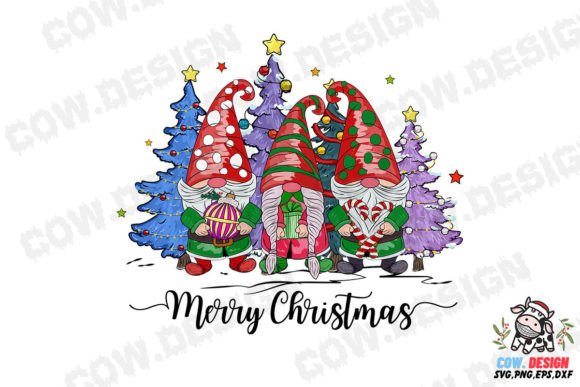
As a designer who spends half my life staring at stitch density charts and the other half troubleshooting thread jams, I don’t just look at an embroidery design file; I look at its potential in the hoop. When I first pulled up Gnome Merry Christmas Tree Sublimation, my immediate reaction wasn’t about the cute factor—though it certainly has that—but about how it translates from a flat digital vector into a tactile, stitched reality. This is a classic "Retro Christmas" motif, blending the whimsical charm of a holiday gnome with the structured silhouette of a tree. It’s a design that promises warmth and nostalgia, but does it hold up when you’re actually running it through a commercial multi-head machine for a boutique order? Let’s dig into the practical side of using this file.
First Impressions and Visual Personality
The mood of Gnome Merry Christmas Tree Sublimation is instantly recognizable as cozy, traditional, and slightly playful. The retro aesthetic suggests a nod to mid-century holiday illustrations, which gives it a timeless appeal rather than a trendy one. Visually, the layout relies on strong contrast between the organic curves of the gnome’s beard and hat and the geometric taper of the tree branches. For an embroidery project, this mix of shapes is generally favorable because it allows for varied stitch types. You aren’t stuck doing only fill stitches or only satin stitches; there is a natural rhythm to the design that keeps the eye moving.
From a branding perspective, this design works exceptionally well for handmade product lines that want to convey approachability. It feels like something you would see on a high-end kitchen towel or a premium sweatshirt, not a discount clearance item. The visual personality is friendly and inviting, which is crucial for holiday embroidery items where buyers are often looking for gifts that feel personal and thoughtful.
Real-World Application: From File to Finished Product
I recently evaluated this file for a custom sweatshirt embroidery project intended for a local craft fair booth. The goal was to create a unisex pullover that felt festive without being overly loud. Here is how Gnome Merry Christmas Tree Sublimation performed in that scenario:
- Custom Apparel: On a heavyweight cotton fleece, the design anchored well. The retro theme paired beautifully with heather grey or deep forest green fabrics. It didn’t look lost against the texture of the fabric, which is a common issue with smaller, more intricate designs.
- Tote Bag Design: I also tested this on a canvas tote. The design’s vertical orientation fits perfectly within standard hoop sizes used for bags. It adds a focal point that draws attention to the bag’s utility while maintaining a chic, artisanal vibe.
- Baby Embroidery: Because the gnome figure is stylized and not overly complex with tiny facial features, it translates surprisingly well to baby clothes. The soft curves are less likely to cause irritation if placed on the hem or cuff, making it a safe choice for personalized gift items for newborns.
- Kitchen Decor: As a tea towel or apron accent, the design provides enough visual weight to be seen from a distance. In a busy market setting, this kind of clear, bold imagery helps your Etsy seller listings or physical stall stand out.
The versatility here is key. Whether you are producing commercial embroidery for a retail client or creating unique small shop product inventory, this design bridges the gap between professional polish and handmade charm.
Where to Exercise Caution
No design is perfect, and knowing where Gnome Merry Christmas Tree Sublimation might struggle is just as important as knowing where it shines. There are specific scenarios where this file requires careful consideration.
First, avoid placing this design on highly textured or stretchy fabrics without proper stabilization. While the main shapes are robust, any fine details—like small buttons or trim on the gnome’s outfit—can get distorted on ribbed knits or boucle weaves. If you are working with thin fabric, ensure you use a cut-away stabilizer to prevent puckering, especially around the dense areas of the tree foliage.
Another critical area is size. Do not attempt to digitize or embroider this design in a very small hoop size (under 4 inches). The resolution required to maintain the integrity of the retro lines will be lost, resulting in a muddy appearance. Similarly, be wary of curved surfaces like baseball caps. While the overall shape is manageable, the transition from the gnome’s body to the tree base may require re-digitizing to accommodate the curvature, otherwise, the straight lines of the design might look warped.
Also, consider the background color. If you are using dark fabric, ensure your thread colors have sufficient contrast. A light-colored gnome on a black shirt might lose definition unless you use a substantial underlay or a contrasting background element. Always test on scrap fabric first to verify that the thread colors pop as expected.
Technical Notes for the Embroidery Designer
When preparing to use this embroidery file, keep these practical steps in mind to ensure a smooth production process:
- Check Stitch Density: Before running a full batch, inspect the density settings. Retro designs can sometimes become too dense if the software defaults to heavy fills. You want a balanced look that shows texture without becoming stiff or bulky.
- Review Small Details: Zoom in on the digital preview. Look closely at the gnome’s eyes and any text elements. If the lettering is part of the design, ensure the font size is large enough to remain legible after stitching. Tiny text often gets lost in the weave of the fabric.
- Test in Black and White: Convert the design to a monochrome view in your digitizing software. This helps you see the true balance of the design without the distraction of color. It reveals whether the negative space is working effectively.
- Confirm Licensing: Since this is a digital download, review the license terms carefully. If you plan to sell finished goods, ensure you have the appropriate commercial rights. Some files are for personal use only, while others allow unlimited commercial production. Clarifying this before you start cutting fabric saves headaches later.
- Stabilizer Selection: Match your stabilizer to the garment. Tear-away is great for stable wovens like towels, but cut-away is essential for knits and stretch fabrics to maintain longevity.
Final Verdict on Visual Appeal and Value
Incorporating Gnome Merry Christmas Tree Sublimation into your workflow adds a layer of professionalism to your craft business. It elevates simple items like plain tote bags or basic sweatshirts into curated, desirable products. Customers respond well to designs that tell a story, and the retro gnome theme taps into a universal love for holiday nostalgia.
The design’s ability to work across multiple categories—from apparel decorators making custom tees to makers creating nursery decor—makes it a valuable asset in your design assets library. It is clean, recognizable, and technically sound, provided you respect the limitations of fabric type and hoop size. For anyone looking to add a touch of whimsical tradition to their finished product lineup, this file delivers both aesthetic charm and commercial viability. Just remember to test thoroughly, stabilize properly, and let the quality of your stitching speak for itself.