Balls Deep into Christmas Sublimation: A Designer’s Review
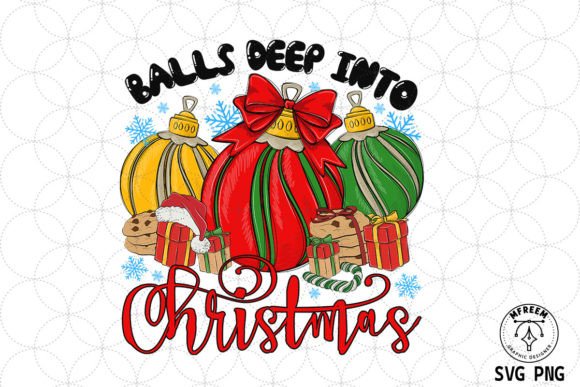
When I scroll through new digital assets for my studio, I am usually looking for one thing: clarity. In the world of machine embroidery design, a file might look stunning as a flat vector, but that is only half the battle. The real test happens when the needle hits the fabric. Today, I am evaluating a specific asset titled Balls Deep into Christmas Sublimation. While the title suggests a playful, perhaps slightly irreverent holiday theme, my job is to strip away the marketing copy and look at this as a functional embroidery file ready for production.
This product falls under the categories of Crafts and Graphics, offering a digital download in SVG and PNG formats at a resolution of 4500 x 5400 pixels. For an Etsy seller or a small shop product creator, understanding how these static image dimensions translate into stitched reality is crucial. Below is my practical assessment of how this design performs in real-world applications, from custom apparel to boutique gifts.
First Impressions and Visual Personality
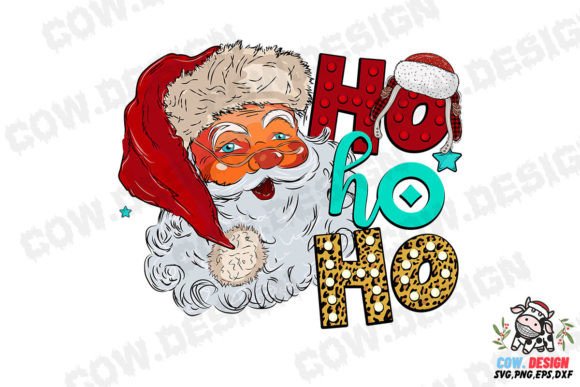
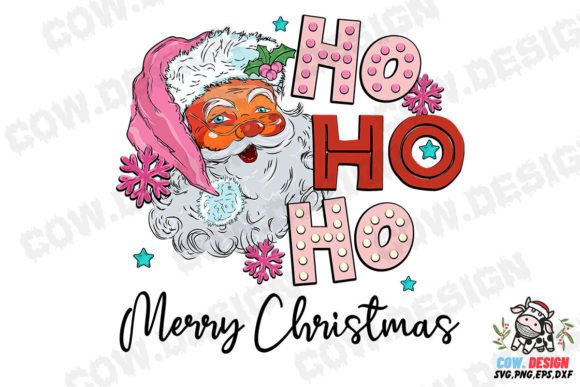
The first thing that strikes me about Balls Deep into Christmas Sublimation is its boldness. The phrase itself implies a retro, humorous aesthetic, likely leaning into mid-century modern typography or cartoonish iconography. In holiday embroidery, humor often wins over traditional elegance because it creates an immediate emotional connection. However, bold text and complex themes require careful execution.
Visually, the design feels like it belongs on sturdy, casual fabrics rather than delicate linens. It has the personality of a sweatshirt embroidery project or a durable tote bag design. The "sublimation" aspect mentioned in the title refers to the printing method used to create the preview, but since we are converting this into an embroidery project, we must consider how thread texture will interact with those shapes. If the original graphic relies heavily on gradients or subtle shading, those elements will be lost in translation. We need to rely on strong outlines, distinct color blocking, and effective use of stitch density to make the message readable.
Real-World Application: Where This Design Shines
I have been thinking about where this specific design would add the most value in a commercial context. Because the theme is festive yet cheeky, it fits perfectly into the niche of personalized gifts for adults who appreciate a laugh during the holidays. Here are three scenarios where I see this digital embroidery file succeeding:
- Custom Apparel for Holiday Parties: Imagine this design centered on the chest of a heavy cotton sweatshirt or a vintage-style t-shirt. The contrast between the cozy fabric and the sharp, clean lines of the embroidery makes it a standout piece for office parties or family gatherings. It works as custom apparel because it is wearable art that sparks conversation.
- Functional Kitchen Items: Embroidered tea towels and aprons are staples in any craft business. Placing this design on a white or cream-colored kitchen towel adds a touch of whimsy to holiday hosting. The durability of embroidery ensures that the joke survives countless washes, unlike printed designs that might fade.
- Boutique Accessories: A structured canvas tote bag is another excellent candidate. The design can be placed prominently on the front panel. For an Etsy seller, this appeals to buyers looking for unique gift bags or reusable shopping totes that carry a seasonal spirit without being overly cliché.
In all these cases, the finished product feels intentional. It elevates a simple item into a personalized gift that shows effort and creativity. When customers buy handmade items, they are buying into the story and the quality. A well-executed embroidered patch or direct-to-garment stitch builds trust and justifies a higher price point.
Technical Considerations and Stitching Challenges
As a designer, I cannot recommend using this design blindly. There are several technical hurdles that could ruin the visual appeal if not addressed properly. The phrase "Balls Deep" involves specific letterforms and potentially circular shapes (if referring to ornaments or actual spheres) that pose challenges for satins stitch and fill stitch techniques.
One major concern is the size of the lettering relative to the overall design. If the text is too small, the curves may merge together, making the phrase illegible after stitching. I always advise testing the design in a black-and-white mockup before cutting fabric. This helps you see if the negative space is sufficient. If the letters are too close, you may need to adjust the scale or simplify the font style.
Another critical factor is the hoop size. Ensure that your machine’s hoop can accommodate the full width and height of the design without requiring re-hooping, which can lead to misalignment. If the design is large, it may require a larger frame, which limits where you can place it on certain garments like caps or narrow sleeves.
Furthermore, consider the fabric texture. On stretchy knits, such as those found in baby clothes or fitted tees, the tension of the stitches can cause puckering. If you plan to use this on a baby embroidery item, you must use a high-quality stabilizer and possibly reduce the stitch density. On dark fabrics, ensure that your thread colors provide enough contrast. A light-colored design on a dark background will disappear unless you use a dense underlay or a contrasting border.
Where to Use Caution
While this design has potential, there are environments where it should be used carefully:
- Small Hoop Sizes: Avoid placing this on tiny areas like cuff cuffs or small hat patches unless you are confident in your digitizing skills to scale it down without losing detail.
- Textured Fabrics: Burlap or heavy tweed can hide fine details. The intricate parts of the design might get lost in the weave.
- Curved Surfaces: Embroidering directly onto a curved cap brim requires advanced techniques. Flat surfaces like tote bags or folded shirts are much safer for maintaining the integrity of the design.
- Frequent Washing: If the design includes loose threads or decorative accents, ensure they are securely anchored. Commercial items need to withstand wear and tear.
Practical Notes for the Embroidery Designer
Before you start producing batches of this handmade product, follow these steps to ensure professional results:
- Test on Scrap Fabric: Always run a test stitch-out on the exact fabric you intend to use. Check how the material reacts to the needle and thread.
- Review Stitch Density: High-density areas can stiffen the fabric, making it uncomfortable to wear. Balance the running stitch and fill areas to keep the garment soft.
- Check Licensing: Since this is a digital download, verify the license terms. Can you sell the finished physical items? Can you include it in a bundle? Clarifying this prevents legal issues later.
- Inspect Small Details: Zoom in on the digital file. Are there any tiny dots or thin lines that might break during stitching? Simplify if necessary.
- Compare Backgrounds: Test the design on both light and dark backgrounds to ensure visibility and aesthetic balance.
Ultimately, Balls Deep into Christmas Sublimation is a fun, engaging asset that can bring joy to your customers’ holiday season. By treating it with the respect due to a professional design asset—testing thoroughly, choosing the right materials, and understanding its limitations—you can create a finished product that stands out in a crowded market. Whether you are decorating your own home or building a brand, this design offers a chance to inject personality into your work. Just remember: good embroidery is not just about the file; it is about the execution.