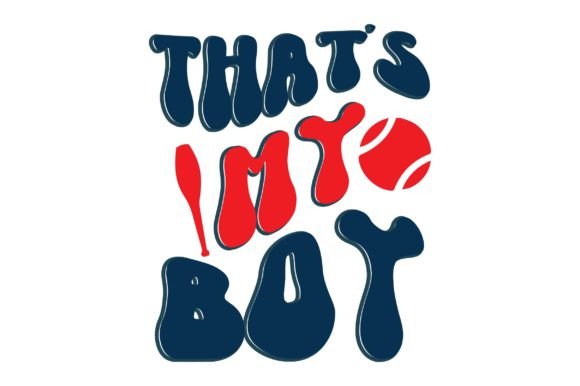
That s My Boy Embroidery Review
When I sit down to evaluate a new digital asset for my studio, I am rarely looking at it as just a "file." I am looking at it as a potential finished product. As an embroidery designer who has stitched thousands of designs for clients and personal projects, I know that the difference between a mediocre handmade item and a boutique-quality piece often comes down to the clarity of the design and its suitability for real-world application. Today, I am putting That s My Boy under the microscope. This retro Baseball SVG is marketed toward crafters and small business owners, but does it hold up when translated into thread on fabric?
First Impressions: Mood and Visual Personality
The moment you open the file for That s My Boy, the retro aesthetic hits you immediately. It isn’t trying to be modern or minimalist; it leans heavily into nostalgic Americana. The typography feels bold and confident, reminiscent of vintage team jerseys from the mid-20th century. For a designer, this is a strong starting point because the visual personality is distinct. It doesn’t blend in.
From a layout perspective, the composition is balanced. The text curves naturally around the implied baseball motif, creating a circular badge effect that is classic for embroidered patches and chest logos. The mood is playful yet sturdy. It evokes feelings of childhood sports days, father-son bonding, and summer leagues. This emotional connection is crucial for personalized gift markets. When a customer buys a sweatshirt with this design, they aren’t just buying cotton; they are buying a memory. The design communicates that sentiment clearly before a single stitch is pulled.
Real-World Application: Where This Design Shines
In my experience, not every machine embroidery design works equally well on every substrate. However, That s My Boy seems engineered for versatility. Here is how I see it performing in actual production scenarios:
- Sweatshirt Embroidery: This is likely the highest-value use case. The retro baseball theme pairs perfectly with heavyweight cotton blends found in crewnecks and hoodies. The bold lines of the design will stand out against the textured surface of fleece or jersey knit, provided the hoop size allows for proper tension.
- Tote Bag Design: Canvas totes are a staple for any Etsy seller. This design fits beautifully on the front panel of a canvas bag. The contrast between the rough texture of the canvas and the smooth threads of the satin stitches creates a tactile appeal that customers love.
- Baby Embroidery: While the theme is "baseball," the phrase "That's My Boy" makes it a natural fit for baby showers and newborn gifts. On onesies or burp cloths, the smaller scale of the design (if resized appropriately) adds a sweet, personalized touch without overwhelming the garment.
- Embroidered Patch: The badge-like structure makes this ideal for creating iron-on or sew-on patches. These can be sold individually as accessories for denim jackets or backpacks, expanding your craft business inventory beyond just apparel.
I also envision this working well for holiday embroidery, particularly Father’s Day. It is a specific niche where buyers are desperate for unique, non-generic options. A custom apron featuring this design could easily become a bestseller in a home goods shop.
Technical Considerations and Potential Pitfalls
As a reviewer, I must be realistic about where things can go wrong. Even a great design can fail if applied incorrectly. Here is what you need to watch out for when using That s My Boy:
Stitch Density and Detail: Retro fonts often rely on thick strokes, which translates well to fill stitches. However, you must inspect the fine details within the baseball graphic. If the design includes tiny stitching elements, they may clump together on dense fabrics. Always test on scrap fabric first to ensure the details remain crisp. If the lines are too thin, consider simplifying the vector before converting to an embroidery file.
Fabric Texture and Stability: This design demands a stable base. If you are stitching onto stretchy fabrics like thin t-shirt material, you risk distortion unless you use a high-quality cut-away stabilizer. Similarly, textured fabrics like waffle weave towels might hide some of the finer thread work. For the cleanest look, stick to smooth cottons, linens, or blended polyesters.
Thread Color Contrast: The retro vibe relies on strong contrast. White or cream thread on dark navy or black fabric will pop dramatically. Conversely, light pastel threads on white fabric might get lost. I recommend experimenting with thread colors to match the specific era you are emulating—think varsity red, royal blue, or heather gray.
Hoop Size Constraints: Ensure the design fits your intended hoop size. If you are attempting to stitch this on a cap or a curved surface, the curvature might distort the text if the design isn't digitized with appropriate pull compensation. For flat surfaces like pillow covers or kitchen towels, you have more freedom.
Designing for Commercial Success
If you are a small shop product creator, presentation matters. Before listing this as a digital embroidery file or selling physical items, create mockups that show the design in context. Show it on a folded sweatshirt, hanging on a rack, or being worn by a child. Visualizing the end result helps you identify any spacing issues that aren't obvious on a computer screen.
Also, consider the brand consistency of your shop. Does this retro style fit your overall aesthetic? If your brand is ultra-minimalist, this bold design might feel out of place. But if you lean into vintage, rustic, or family-oriented themes, this design is a perfect addition to your design assets library.
Final Verdict: Is It Worth the Stitch?
That s My Boy is a solid, marketable design with clear commercial potential. It captures a specific nostalgia that resonates with parents, grandparents, and sports fans. It is versatile enough for apparel, home decor, and accessories, making it a valuable tool for any creative entrepreneur.
However, success depends on execution. Do not assume the file will work perfectly on every machine or fabric type out of the box. Take the time to:
- Test stitch density.
- Choose the right stabilizer.
- Verify licensing terms for commercial use.
- Mockup the design on various backgrounds.
By paying attention to these practical details, you can transform a simple SVG into a high-quality finished product that customers will cherish. For those looking to add a touch of retro charm to their embroidery project lineup, this design earns a strong recommendation.