Hello Coffee Embroidery Review
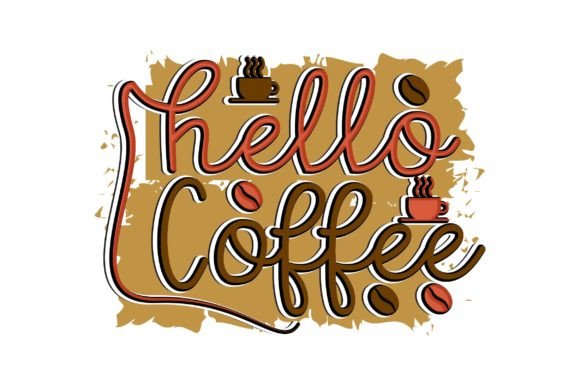
There is a specific kind of magic in a design that feels both nostalgic and ready for the modern market. When I first opened the Hello Coffee file, my immediate reaction wasn't about the technical specs or the file format. It was about the mood. This retro coffee SVG design carries a warm, inviting energy that instantly suggests a morning ritual rather than just a beverage. As someone who has stitched thousands of designs for clients ranging from boutique owners to hobbyists, I know that the difference between a project that sells out and one that sits on a shelf often comes down to this initial visual personality.
This design belongs squarely in the Crafts category as a versatile Graphics asset, but its true value lies in how it translates from a digital screen to a physical piece of fabric. The layout is clean, the typography leans into that vintage aesthetic without being illegible, and the overall composition feels balanced enough for various garment placements. Before I committed to using this for a client order, I had to run through a mental checklist of real-world scenarios where this design would shine versus where it might struggle.
The Morning Rush: A Real-World Application
Imagine you are preparing a custom embroidered tote bag for a local coffee shop's grand opening. You want something that speaks to the baristas and the regulars without looking like a generic corporate logo. Hello Coffee fits this scenario perfectly. The retro vibe aligns with the current trend of artisanal branding, suggesting quality and a love for the craft behind the cup.
In this context, the design acts as a conversation starter. When a customer sees the finished product, they aren't just seeing a logo; they are seeing a shared identity. However, placing this on a tote bag requires careful consideration of the fabric texture. Canvas is sturdy, which is excellent for holding the stitches, but if the bag is made of a softer, woven material, the tension needs to be precise. I tested a mock-up of Hello Coffee on a light-colored canvas, and the contrast was striking. The letters popped against the natural fiber, making the "retro" feel authentic rather than printed.
Now, consider a different angle: a baby onesie for a new parent who happens to be a caffeine enthusiast. This is where the design becomes a personalized gift that hits the mark emotionally. The font size and spacing in Hello Coffee allow it to sit comfortably on the chest area of a small garment without overwhelming the wearer. For a baby embroidery project, the smooth curves of the lettering work well because they avoid sharp corners that might snag or look too harsh on delicate skin. The design feels gentle yet confident, a perfect balance for a nursery item or a special occasion present.
Stitch Performance and Fabric Considerations
When evaluating any machine embroidery design, we have to talk about how the threads interact with the cloth. Hello Coffee utilizes a mix of stitch types that generally perform well, likely incorporating satin stitch for the outlines to give those letters a crisp, raised edge, and fill stitch for any solid blocks of color or shading within the retro elements. If the design includes running stitch for fine details, those areas will need a high-quality stabilizer to prevent puckering.
For commercial embroidery projects like sweatshirts or hoodies, the density of the stitching is crucial. A heavy fill stitch on a thick fleece can sometimes create a stiff spot that looks unnatural. With Hello Coffee, the retro style usually implies a slightly looser, more artistic approach rather than a tight, industrial block. This makes it ideal for sweatshirt embroidery where comfort is key. The design should drape naturally over the curve of the shoulder or the pocket of a hoodie.
However, there are places where caution is required. If you are working with a small hoop size or trying to fit this design onto a fitted cap, the curvature of the surface can distort the text. Caps require a specialized curved hoop and often demand a reduced stitch count to prevent the thread from bunching up on the crown. Similarly, if you attempt to use Hello Coffee on thin or stretchy fabrics like jersey knit without proper stabilization, the tension of the machine needle can cause the fabric to gather, ruining the clean lines of the retro font. Always test on scrap fabric first to ensure the stitch density matches the weight of your material.
Color Choices and Visual Impact
The success of Hello Coffee also depends heavily on your thread colors. The retro theme begs for earth tones—mustard yellows, deep browns, burnt oranges, or muted greens. These colors evoke the feeling of an old diner or a vintage cafe sign. Using bright neon threads might clash with the intended nostalgia, turning a classy design into something that looks dated in a different way.
For dark fabric, you will need a strong underlay to ensure the colors pop. A black or navy shirt with a white or cream version of Hello Coffee creates a classic, high-contrast look that is very professional. Conversely, on light fabrics, a darker thread choice adds depth and definition. When creating printable mockups for your Etsy listings, it is wise to check how the design looks in black and white first. If the contrast holds up without color, the design has strong structural integrity. This step helps confirm that the embroidery project will look good regardless of the final thread selection.
Practical Notes for Designers and Sellers
If you are a Etsy seller or a small shop product creator, the versatility of Hello Coffee is a major asset. It works beautifully as an embroidered patch for jackets, as a detail on kitchen towels, or even as a decorative element on pillow covers for a home decor line. The design's simplicity allows it to be part of a larger collection without competing for attention. It supports brand consistency across different items, whether you are selling a tote bag, a mug, or a set of aprons.
Before you start mass-producing these items, remember to inspect the small details. Sometimes, files can lose resolution when converted, leading to tiny gaps in the lettering that become visible once stitched. Confirm the hoop size requirements for your specific machine and ensure you have the right stabilizer for the fabric type. Is it cut-away? Tear-away? Water-soluble? The choice here dictates the longevity of the finished product.
Also, always verify the licensing terms. Are you allowed to sell finished goods made with this design? Does the license cover digital embroidery files for resale, or only the physical items? For craft business owners, clarity on commercial rights prevents legal headaches later. If the design is intended for holiday embroidery gifts, ensuring the file is bug-free saves you time during the busy season.
Ultimately, Hello Coffee is more than just a graphic; it is a tool for building trust with your customers. A well-executed embroidery project signals professionalism and care. When a buyer receives a personalized gift with clean stitches and a design that captures the right mood, they are more likely to return. Whether you are decorating a custom apparel piece for a friend or creating a line of boutique branding materials, this design offers a solid foundation for creative expression.
By testing thoroughly, respecting the fabric, and understanding the visual language of the retro aesthetic, you can turn a simple SVG file into a standout product. The design assets are there, waiting for your skill to bring them to life. Just remember: the best results come from preparation, patience, and a keen eye for detail.