Retro Halloween Howdy Boo Embroidery Review
As a designer who spends half her life zoomed into digitizing software and the other half wrestling with thread tension on vintage machines, I don’t just look at an embroidery design; I look at its potential. When Retro Halloween Howdy Boo landed in my queue, I didn’t just see a cute graphic. I saw a product. I saw a bestseller on Etsy. I saw a personalized gift that makes a customer feel seen. But more importantly, I saw the practical challenges of turning a digital vector into a stitched reality.
This review isn’t about aesthetics alone. It is about utility. Can this machine embroidery design hold up in a real-world scenario? Is it viable for your craft business, or is it better suited for a quick hobbyist project? Let’s break down how Retro Halloween Howdy Boo performs when we move from screen to hoop.
The First Impression: Mood and Visual Personality
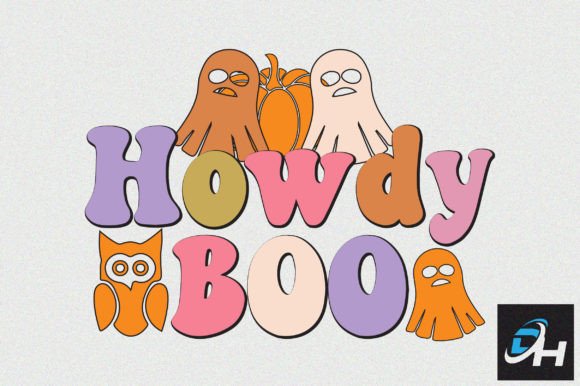
The moment you load the file, the vibe hits you. "Howdy Boo" captures that specific intersection of nostalgic Americana and spooky whimsy that defines modern Halloween decor. It isn’t trying too hard to be scary; instead, it leans into friendly, approachable spookiness. This is crucial for commercial viability. Scary designs often limit their audience to thrill-seekers, but retro-style cuteness appeals to everyone from toddlers to grandparents.
Visually, the layout feels balanced. The typography likely carries the weight of the design, suggesting a strong satin stitch foundation, while any accompanying graphics—perhaps a classic pumpkin, a bat, or a witch hat—add character without cluttering the composition. For an Etsy seller, this balance is gold. It is detailed enough to look premium but simple enough that it won’t frustrate a beginner embroiderer or overwhelm a small home machine.
Real-World Application: Where Does It Shine?
I always ask myself: "What am I making?" With Retro Halloween Howdy Boo, the answer comes quickly. This design screams custom apparel. Imagine a cream-colored canvas tote bag featuring this motif in bold orange and black threads. The contrast would pop beautifully, creating a high-value handmade product that stands out in a crowded marketplace.
But let’s dig deeper. Beyond totes, this design is incredibly versatile for personalized gifts.
- Sweatshirt Embroidery: Place it over the heart of a grey heather crewneck. The retro font pairs perfectly with the soft texture of fleece, creating a cozy, boutique-quality piece.
- Baby Embroidery: On a muslin burp cloth or a tiny onesie, the "Boo" element becomes adorable rather than festive. It works as a gender-neutral baby shower gift that parents will actually use.
- Kitchen & Home Decor: A tea towel or a pillow cover with this design adds seasonal charm to a kitchen. Because the design is likely compact, it fits well within standard 4x4 or 5x7 hoops, making it accessible for most machines.
- Embroidered Patches: If the file includes a clean border, this could easily be digitized as an iron-on patch for denim jackets or backpacks, extending its life beyond a single garment.
For the small shop owner, this versatility means one digital asset can generate multiple revenue streams. You aren’t limited to selling just shirts; you are selling a lifestyle brand centered around comfortable, fun Halloween spirit.
Stitch Clarity and Technical Performance
When evaluating an embroidery file, clarity is king. Retro designs often rely on thick, blocky letters which translate exceptionally well to satin stitch. This ensures that even if your machine has slight tension issues, the text remains legible. However, you must watch out for density.
If Retro Halloween Howdy Boo uses heavy fill stitch areas, it might create a stiff fabric hand-feel. For items like baby clothes or lightweight t-shirts, excessive density can be uncomfortable. In these cases, checking the digitization for underlay stitches is vital. Proper underlay prevents the fabric from puckering, ensuring your finished product looks professional rather than amateurish. If the design features delicate details, such as thin lines or small accents, test them on scrap fabric first. Thin elements can sometimes merge together if the thread colors are too similar or if the stitching path is too close.
Where to Be Careful: Potential Pitfalls
No design is perfect for every surface. While Retro Halloween Howdy Boo is robust, there are scenarios where it might struggle.
Small Hoop Sizes: If the design exceeds your machine’s maximum hoop size, you will need to split it. Splitting text-based designs can result in misaligned letters or awkward seams. Always confirm the hoop size requirements before committing to a large garment.
Textured and Stretchy Fabrics: Embroidering on thick towels or stretchy jersey requires careful stabilizer selection. Without adequate tear-away or cut-away stabilizer, the stitch density can distort the fabric, causing the "Howdy Boo" text to wobble or look uneven. On dark fabrics, ensure your thread choices provide enough contrast. A light orange on a black background might get lost unless you use a high-density fill or add a contrasting outline.
Curved Surfaces: Attempting to embroider this flat design onto a curved cap front can be tricky. The perspective shift might make the text appear distorted. For caps, consider placing the design on a flat brim or using a specialized cap frame to maintain alignment.
Design Assets and Commercial Viability
For the digital product seller or the commercial embroidery pro, the value of Retro Halloween Howdy Boo lies in its repeatability. The description notes that previews show examples of usage, which suggests the design is modular or adaptable. This is a huge plus. It means you can tweak the color palette for different seasons or pair it with other elements to create unique variations.
However, before you start mass-producing finished products, you must address licensing. The prompt mentions "No physical pro," which typically means you are buying the digital rights, not a physical item. But does that license allow for commercial sale of embroidered goods? This is a critical question for any Etsy seller or craft business owner. Never assume. Read the fine print. If the license restricts commercial use, pivot your strategy to focus on personal projects, homemade gifts, or non-monetary exchanges.
Final Verdict: A Practical Choice for Makers
After mentally running this design through various production scenarios, my conclusion is positive. Retro Halloween Howdy Boo strikes an excellent balance between style and technical feasibility. It is forgiving enough for beginners yet stylish enough for seasoned pros. Its retro aesthetic taps into a timeless trend, ensuring your embroidery project remains relevant year after year.
To get the best results, follow these practical steps:
- Test on Scrap: Always run a test stitch on the actual fabric you plan to use.
- Check Contrast: Verify that your chosen thread colors stand out against the background material.
- Use Proper Stabilizer: Match the stabilizer weight to the fabric weight to prevent puckering.
- Review Details: Zoom in on the digitization to ensure small details are intact and won’t break during stitching.
If you are looking to add a touch of playful nostalgia to your holiday inventory, this design is a strong contender. It offers the visual appeal customers crave and the technical reliability makers need. Just remember to verify those licensing terms, and you’ll have a winning addition to your design assets collection.