Retro Halloween Home Sweet Haunted Home Review
When I pull a new design file into my embroidery software, I am rarely looking for just "cute." As a designer who has stitched thousands of designs for clients and personal projects, I am looking for viability. Does it stitch cleanly? Does it hold up to wear and washing? Does it translate well from a digital preview to a physical object? Today, I am putting Retro Halloween Home Sweet Haunted Home through that exact practical filter. This isn't just about how the SVG looks on a screen; it is about how it behaves under the needle when you are preparing a custom order for an Etsy shop or stitching a personalized gift for a friend.
The First Impression: Mood and Layout
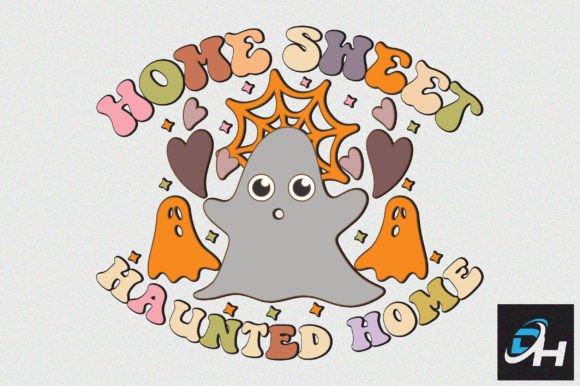
The immediate draw of this design is its nostalgic charm. The phrase "Home Sweet Haunted Home" paired with retro styling taps directly into the cozy, kitschy aesthetic that dominates home decor trends right now. Visually, the layout feels balanced and centered, which is crucial for embroidery because it dictates where the hoop needs to sit on your fabric. Unlike complex, scattered designs that require tedious placement adjustments, this piece feels like it was born to be the focal point of a project.
The visual personality is warm rather than scary. It avoids the jagged, high-contrast horror tropes that can sometimes look messy in thread. Instead, it leans into soft curves and recognizable iconography. For a crafter or small business owner, this is a smart choice. It appeals to a broader demographic—people who want to celebrate the season without committing to full-on spooky decor. It fits seamlessly into the world of handmade products where comfort and style intersect.
Real-World Application: Where This Design Shines
In my experience, certain designs are versatile workhorses, while others are niche novelties. Retro Halloween Home Sweet Haunted Home falls firmly into the former category. Its adaptability makes it an excellent asset for a craft business or a serious hobbyist’s library. Here is how I see it performing in actual production scenarios:
- Custom Apparel and Sweatshirts: This is perhaps the strongest use case. Embroidering this onto a heavyweight cotton sweatshirt creates an instant boutique-quality item. The text is legible, and the accompanying graphics provide enough visual weight to balance the thickness of the fabric. It works beautifully for fall fashion lines or seasonal limited editions.
- Tote Bag Designs: Canvas tote bags are a staple for market sellers. This design translates exceptionally well here. The contrast between the sturdy canvas texture and the smooth satin stitches of the lettering creates a tactile appeal that customers love. It is durable, functional, and festive.
- Kitchen and Home Textiles: Tea towels, aprons, and pillow covers are natural homes for this kind of typography. Because the design is likely contained within a standard hoop size, it fits perfectly on the body of an apron or the front panel of a lumbar pillow. It adds a touch of personality to kitchen decor without overwhelming the space.
- Baby Embroidery and Nursery Decor: While Halloween is often associated with older children, there is a growing market for subtle, non-scary holiday items for babies. If the graphic elements are sufficiently rounded and soft, this design could work on baby onesies or nursery wall hangings, offering a gentle nod to the season.
- Embroidered Patches: For those selling accessories, converting this into a patch design is a smart move. The clear borders and central composition make it easy to digitize as a patch, which can then be applied to denim jackets, backpacks, or caps.
Technical Considerations and Stitch Behavior
As an experienced reviewer, I must address the technical side of things. Even the most beautiful design will fail if the underlying digitization is poor. When evaluating this machine embroidery design, we have to consider stitch density and detail level.
The text in "Home Sweet Haunted Home" requires clean satin stitches to remain readable. If the font is too thin or the spacing is too tight, the threads may clash or pucker, especially on stretchy fabrics. Similarly, any graphical elements—likely pumpkins, ghosts, or stars—will rely on fill stitches. A good fill stitch should lay flat and cover the fabric completely without showing gaps. If the design relies heavily on tiny running stitch details, these can get lost in thicker fabrics like fleece or heavy denim.
This is why testing is non-negotiable. Before committing to a bulk run of commercial embroidery projects, you must test the design on scrap fabric. Check the thread color contrast carefully. Retro palettes often use muted tones, so ensure that your chosen thread colors pop against your base fabric. A light gray design on a white shirt will disappear, whereas a cream design on a black shirt might lack definition. Always inspect the small details in your mockups; what looks like a fine line on screen might become a blob of thread in reality.
Where to Use With Caution
While this design is versatile, it is not a universal fit. There are specific scenarios where you should exercise caution:
- Small Hoop Sizes: If the design is large relative to a 4x4 inch hoop, you may encounter alignment issues or difficulty stitching near the edges. Ensure your hoop size matches the design dimensions.
- Textured and Stretchy Fabrics: Highly textured fabrics like boucle or very stretchy knits can distort the shape of the letters. If you are working with these materials, use a proper stabilizer and consider reducing the stitch density slightly to prevent puckering.
- Dense Stitch Areas: Avoid using this design on garments that require frequent, aggressive washing, such as work uniforms. Over time, dense embroidery can wear down or snag. It is better suited for decorative items like home decor or occasional-wear apparel.
- Curved Surfaces: Applying this to curved surfaces like baseball caps requires careful tension adjustment. The flatness of the design might not follow the curve of the hat naturally, leading to uneven stitching.
Impact on Product Value and Brand Consistency
For Etsy sellers and small shop product creators, the perceived value of an item is often tied to the quality of the decoration. A poorly stitched logo can make a handmade product look cheap, even if the base material is high quality. Conversely, a well-executed design like Retro Halloween Home Sweet Haunted Home elevates the entire piece.
It signals professionalism. Customers trust brands that pay attention to detail. When you present a finished product—a personalized gift or a holiday embroidery item—that features crisp, clean stitching, you are building brand consistency. It tells the buyer that you care about the outcome. Furthermore, the retro theme lends itself well to storytelling in your marketing. You can highlight the nostalgia and warmth of the design in your printable mockup previews, increasing buyer engagement and conversion rates.
Final Verdict for the Creative Entrepreneur
Retro Halloween Home Sweet Haunted Home is a solid, practical addition to any digital embroidery file library. It strikes a balance between thematic relevance and everyday wearability. It is not a gimmick; it is a design that fits into the lifestyle of modern crafters and homeowners.
However, remember that a design file is only as good as the execution. Do not skip the pre-production steps. Confirm the licensing terms before selling finished items. Test your thread colors and stabilizer choices. Verify that the stitch density is appropriate for your intended fabric. By treating this design with the same respect you would give a custom client job, you will produce a finished product that stands out in a crowded marketplace.
If you are looking to expand your craft business offerings with items that feel both festive and timeless, this design delivers. It is adaptable, visually appealing, and rooted in a trend that shows no signs of fading. Just remember: the magic happens in the stitching, not just the SVG. Prepare your machine, stabilize your fabric, and let your creativity bring the retro haunt to life.