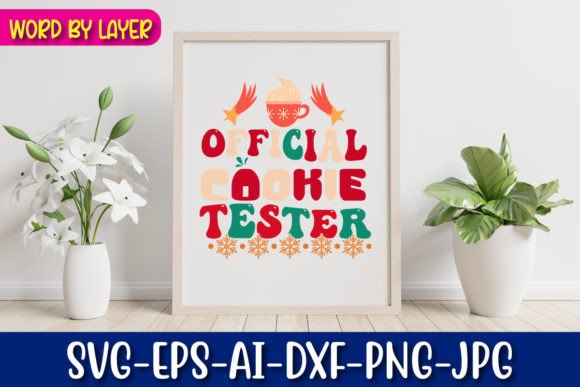
Holiday Cheer Christmas Retro T-shirt Review
When I approach a new embroidery file for potential use in client work or my own small shop inventory, I am rarely interested in just how "pretty" it looks on a screen. My focus is almost entirely on stitchability, visual impact at scale, and whether the design will hold up to the wear and tear of a finished product. Recently, I pulled down the Holiday Cheer Christmas Retro T-shirt design to evaluate its viability for real-world application. This piece falls squarely into the Crafts and Graphics categories, offering AI, EPS, SVG, and PNG formats with a promise of 100 vector shapes that are easy to change colors. But as any seasoned designer knows, vector availability does not guarantee embroidery success. Here is my practical breakdown of how this design performs when moved from the digital asset library to the hoop.
First Impressions and Visual Personality
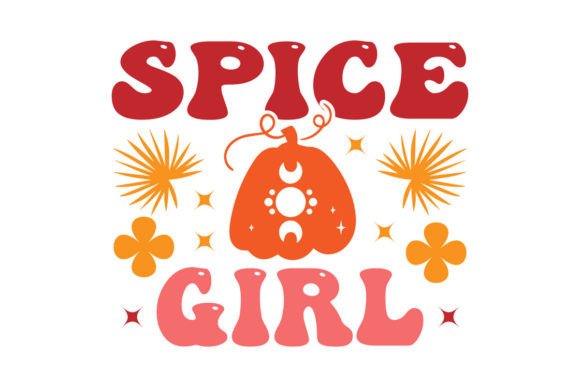
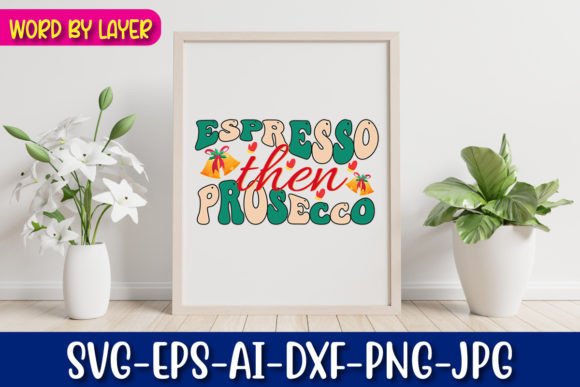
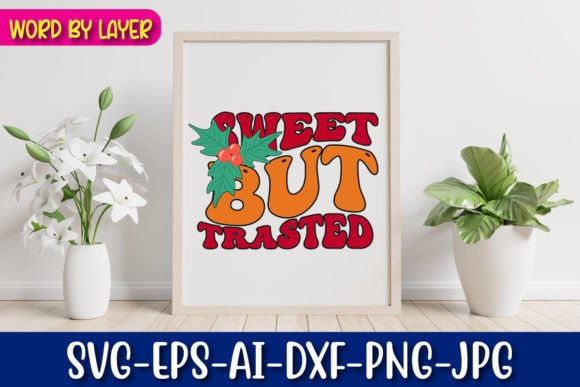
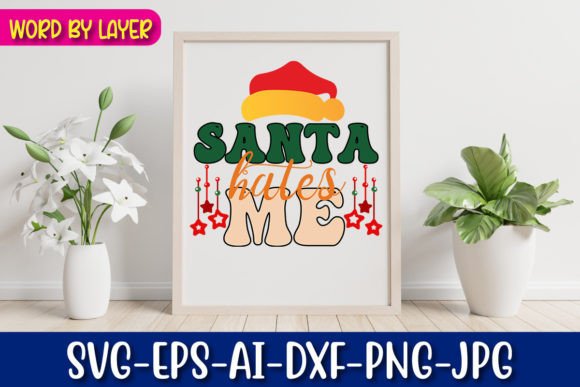
The moment you open the preview of the Holiday Cheer Christmas Retro T-shirt, the mood is immediately established. The retro wavy aesthetic taps into a nostalgic vibe that has been incredibly popular in recent years, particularly among Gen Z and millennial demographics who frequent Etsy and craft fairs. The layout feels balanced, utilizing curves that guide the eye across the design rather than trapping it in a static block. For an embroidery project, this flow is crucial because it suggests movement and energy, which translates well to custom apparel.
What stands out most is the color adaptability. The description notes that the design is made with 100 vector shapes, which implies a high level of modularity. In my experience, designs that allow for easy color swapping are gold mines for craft business owners. It means you can take one base file and produce a winter white version, a classic red version, or even a muted pastel version for nursery decor without needing to redraw anything. This flexibility significantly boosts the perceived value of your design assets.
Real-World Application: The Sweatshirt Scenario
To truly test this design, I imagine placing it on a heavyweight cream-colored sweatshirt for a holiday gift order. The retro theme pairs exceptionally well with vintage-wash fabrics. When stitching this out, the wavy lines would benefit from a combination of satin stitch for outlines and fill stitch for solid blocks of color. If executed correctly, the contrast between the thread texture and the soft fleece of the sweatshirt creates a tactile quality that customers love.
However, placement matters. On a large garment like a sweatshirt, this design likely works best centered on the chest or slightly off-center for a more modern, boutique feel. It is too detailed to be lost on a tiny pocket area but might become cluttered if stretched too wide across the entire back. For small shop product lines, I would recommend using this as a hero piece for a limited-edition holiday collection. The visual personality is strong enough to stand alone, meaning it doesn’t need excessive background elements to look complete.
Where Caution Is Required
Not every surface is created equal, and there are specific scenarios where the Holiday Cheer Christmas Retro T-shirt design requires careful handling. First, consider small hoop sizes. If you attempt to digitize or use this on a very small canvas, such as a baby onesie sleeve or a miniature patch, the fine details may merge together. The wavy lines could lose their definition, resulting in a muddy appearance rather than crisp retro styling. Always inspect small details before committing to production.
Furthermore, textured fabrics pose a risk. While the design looks great on smooth cotton or polyester blends, applying it to heavily textured materials like bouclé wool or thick terry cloth can obscure the stitch density. The embroidery machine might struggle to penetrate dense fabrics, leading to skipped stitches or puckering. Similarly, stretchy fabrics require a heavy-duty stabilizer to prevent distortion. Without proper support, the wavy lines might warp during the washing process, ruining the professional finish.
Technical Considerations for Embroidery Designers
As a reviewer, I must emphasize the importance of testing. Before producing a batch of handmade products, always run a test stitch on scrap fabric. This allows you to check thread colors against your actual material stock. For instance, a bright neon thread might look vibrant on a white mockup but wash out completely on a gray shirt. Comparing light and dark fabric backgrounds during your test phase is non-negotiable for maintaining brand consistency.
Another critical step is reviewing the stitch density. High-density areas can cause bulkiness, especially on lighter garments like thin t-shirts or kitchen towels. If the design features large solid fills, consider adding negative space or reducing the fill density to ensure the final product remains comfortable and drapes naturally. For commercial embroidery projects, customer comfort is just as important as aesthetics; a stiff, bulky patch is less likely to receive positive reviews.
Material and Stabilizer Choices
The choice of stabilizer plays a pivotal role in the success of this design. For woven fabrics like canvas tote bags or aprons, a cut-away stabilizer is often recommended to provide long-term stability. For knit fabrics like t-shirts or caps, a tear-away or water-soluble stabilizer might suffice depending on the weight of the garment. Incorrect stabilizer choice can lead to bubbling or misalignment, particularly with the curved elements of this retro design.
Additionally, consider the end-use of the product. If the item is a personalized gift intended for frequent washing, such as a family reunion shirt or a holiday apron, durability is key. Ensure that all threads are secured properly and that no loose ends remain after trimming. A clean finish enhances customer trust and reinforces the professionalism of your Etsy seller profile.
Strategic Use Cases and Market Fit
This design is versatile enough to span multiple niches. Beyond standard custom apparel, it fits beautifully into the realm of holiday embroidery accessories. Imagine embroidered patches applied to denim jackets or backpacks. The retro wave motif adds a playful touch that appeals to those looking for unique statement pieces. It also works well for embroidered patch collections sold as standalone items for DIY enthusiasts.
For digital product sellers, the inclusion of AI and EPS files makes this a valuable asset. Buyers can easily modify the text or color schemes to suit different seasons or themes. However, it is vital to confirm licensing terms before selling finished items or digital derivatives. Clear communication about usage rights protects both you and your customers, ensuring a smooth transaction and avoiding potential legal issues.
Final Verdict
The Holiday Cheer Christmas Retro T-shirt design offers a compelling blend of nostalgia and modern versatility. Its vector-based structure allows for extensive customization, making it a strong candidate for digital embroidery file libraries. When stitched correctly on appropriate fabrics with proper stabilization, it delivers a high-quality finish that resonates with consumers seeking handmade, personalized gifts.
By paying attention to stitch density, fabric compatibility, and placement, designers can maximize the potential of this asset. It is not just a graphic; it is a foundational element for creating memorable finished products. Whether you are preparing for the busy holiday season or expanding your craft business offerings, this design provides a reliable and stylish option that balances aesthetic appeal with practical manufacturing considerations.