Official Cookie Tester Retro Christmas D Review
When I first opened the Official Cookie Tester Retro Christmas D file, my initial reaction was a mix of nostalgia and practical assessment. As someone who has spent years evaluating digital assets for real-world embroidery projects, I know that a cute concept doesn't always translate well to a needle and thread. This design immediately caught my eye with its distinct retro aesthetic, promising a specific mood that feels warm, inviting, and undeniably festive. It isn't just another generic holiday motif; it carries a personality that suggests it belongs in a cozy kitchen or on a boutique gift item rather than a high-fashion runway.
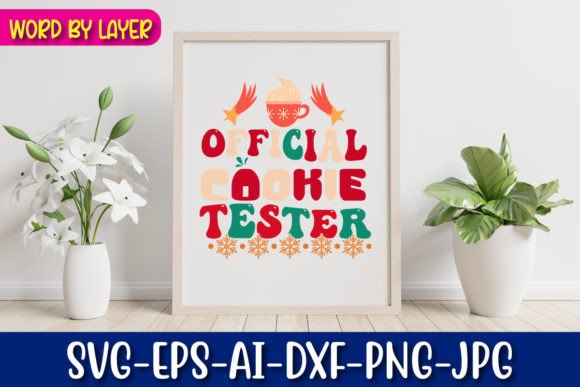
The visual appeal of this piece lies in its balance. The layout is clean enough to be legible when stitched but detailed enough to hold interest. For an embroidery designer looking at this as a potential asset for their Crafts portfolio, the first question is always: "Will this stitch out cleanly?" The retro style usually implies bold lines and simplified shapes, which are generally forgiving in machine embroidery. However, the devil is often in the details, especially when dealing with text like "Cookie Tester" surrounded by holiday elements. My gut feeling is that this design has strong potential for creating a finished product that feels professional and polished, provided the execution matches the digital preview.
Real-World Application: From Screen to Stitch
Let's talk about how this design performs outside the computer screen. I recently imagined using Official Cookie Tester Retro Christmas D for a custom embroidered tote bag intended for a local holiday market. The scenario was clear: a sturdy canvas tote featuring this design on the front pocket, paired with a coordinating apron for the seller. The retro theme fits perfectly here because it evokes a sense of tradition and homemade quality that customers love during the holidays.
If I were to stitch this onto a sweatshirt for a small shop product line, the design would likely stand out against a heather gray background. The contrast between the vintage typography and the soft fabric texture would create a tactile experience that elevates the perceived value of the garment. It works exceptionally well for personalized gifts, such as baby onesies or nursery decor, where parents want something unique that doesn't scream "big box store." The design's charm adds a layer of emotional connection, making the recipient feel special.
However, not every surface is created equal. When considering this as an embroidery file for commercial use, I had to think about the limitations of curved surfaces. Attempting to embroider this on a fitted cap might result in distortion if the hoop size isn't managed correctly. The text could stretch or compress depending on the curvature of the hat, potentially ruining the retro vibe. Similarly, on thin fabrics like a lightweight summer tee, the density of the stitches might cause puckering, detracting from the crisp look of the original graphic.
Technical Considerations for the Embroidery Designer
Before hitting the start button on your machine, there are critical technical steps you must take to ensure the success of your project. The description mentions that this is a digital download including SVG, EPS, and PNG files, which is excellent for versatility. Yet, having a layered SVG does not guarantee perfect stitching without preparation. You need to verify the stitch density within your software. If the fill stitches are too dense, the fabric will become stiff and difficult to handle, especially on items like tea towels or pillow covers that need to remain soft.
Thread color selection is another area where judgment is required. A retro design often relies on specific color palettes to achieve its nostalgic look. Using standard bright reds and greens might clash with the vintage tone. I recommend testing the design in black and white mockups first to ensure the contrast holds up. If the design looks muddy in grayscale, it will likely struggle to pop on dark fabric. Conversely, on light backgrounds, you need to ensure the thread colors have enough saturation to prevent the design from washing out.
Stabilizer choice cannot be overlooked. For a design like Official Cookie Tester Retro Christmas D, which likely contains both satin stitches for outlines and fill stitches for areas, a cut-away stabilizer is often necessary to maintain shape over time, particularly for apparel that will be washed frequently. If you skip proper stabilization, the lettering might warp after the first wash cycle, damaging the reputation of your handmade product. Always test on scrap fabric before committing to the final item.
Where Caution is Required
There are specific scenarios where this design might require extra care or should be avoided entirely. Small hoop sizes can be problematic if the design includes intricate corners or tiny lettering. If the details are too fine, they may not register clearly on the fabric, resulting in a blurry image that lacks the professional finish clients expect. Textured fabrics, such as fleece or heavy corduroy, can also hide the definition of the stitches, making the design look flat and less engaging.
Dense stitch areas are another potential pitfall. If the design features large blocks of solid color, it can create a heavy, stiff patch that feels uncomfortable on clothing. This is particularly important for baby embroidery, where comfort is paramount. If the design is intended for an embroidered patch meant to be ironed on, ensure the backing material is compatible with the adhesive before mass-producing them.
Furthermore, consider the longevity of the finished product. Items that undergo frequent washing, like kitchen towels or aprons, need robust construction. If the design relies heavily on running stitches for detail, these may fray over time unless secured properly. For commercial embroidery projects where customer trust is built on durability, skipping these checks can lead to returns and negative reviews.
Impact on Brand and Customer Perception
The way Official Cookie Tester Retro Christmas D is executed directly influences brand consistency and buyer engagement. A well-stitched design signals professionalism and attention to detail. When a customer sees a crisp, well-aligned embroidery on a tote bag or a holiday gift, they perceive higher value in the item. This visual clarity builds trust and encourages repeat business for Etsy sellers and small shop owners.
In the context of digital product sellers, having a design that translates well into physical goods is a significant advantage. It allows creators to offer printable mockups that accurately represent the final result, reducing confusion for buyers. The retro theme of this design taps into a popular aesthetic, increasing the likelihood of recognition and sales during the holiday season. However, the design must be used responsibly; ensuring that the licensing terms allow for commercial use is essential before selling any finished items.
Ultimately, the success of this project depends on the maker's ability to adapt the digital asset to the physical medium. By understanding the strengths and limitations of the Graphics file, designers can transform a simple download into a cherished handmade product. Whether it ends up on a sweatshirt, a baby blanket, or a boutique display, the key is to approach the process with patience and precision.
Before you begin your next embroidery project, remember to review the specific file formats provided. While the listing mentions SVG, EPS, and PNG options, verifying the exact dimensions and layer structure in your digitizing software is crucial. Take the time to inspect small details and confirm that the design works for both personal enjoyment and commercial ventures. With the right setup, Official Cookie Tester Retro Christmas D can be a standout addition to your collection of design assets, bringing a touch of retro charm to your creative endeavors.