All You Need Is Love Coffee Valentine Embroidery Review
When I look at a digital design file before committing it to the hoop, I am not just looking at a pretty picture. I am calculating stitch density, visual balance, and how that specific graphic will translate into thread. As an embroidery designer who has stitched thousands of designs for clients and personal projects, my first impression of All You Need is Love Coffee Valentine was immediate clarity. It strikes a rare balance between nostalgic charm and modern simplicity, making it a highly viable candidate for both personal gifts and commercial craft business inventory.
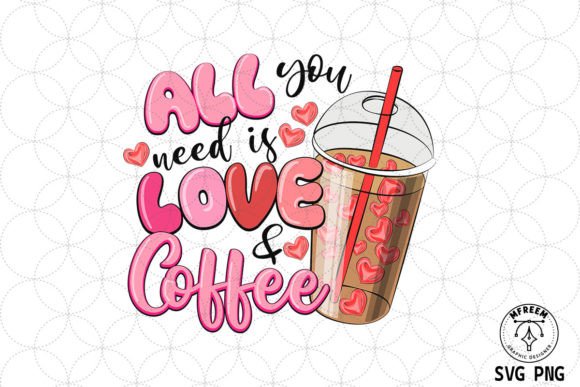
The core concept—a heart intertwined with coffee imagery—speaks directly to the "coffee lover" demographic, which is a massive subset of the handmade market. But beyond the theme, the layout feels intentional. It does not feel cluttered. For those of us in the Crafts and Graphics sectors, we know that clean lines are harder to execute well than complex patterns because every imperfection shows up clearly. This design seems to embrace that challenge by relying on strong shapes rather than excessive detail.
First Impressions: Mood and Visual Personality
The mood of this machine embroidery design is warm, inviting, and slightly retro. The phrase "All You Need Is Love" paired with coffee suggests comfort. It is not a high-fashion statement; it is a "come home and relax" statement. Visually, the heart shape provides a natural focal point, while the typography (assuming standard legible fonts often used in such SVGs) grounds the piece.
From a reviewer’s standpoint, the visual personality fits perfectly into the current trend of cozy minimalism. It avoids the overly intricate floral patterns that can get lost in stitching or become too dense for certain fabrics. Instead, it offers bold, readable elements that hold their own against various textures. This makes it an excellent choice for custom apparel where you want the message to be read instantly from a distance.
Real-World Application: Where This Design Shines
I recently considered using this design for a batch of custom holiday gifts for a local boutique client. The question was always: what works best for mass-produced personalized items? Here is how All You Need is Love Coffee Valentine performs in practical scenarios:
- Tote Bags: This is perhaps the strongest use case. A canvas tote bag offers a large, flat surface area. The contrast between the fabric color and the thread colors will pop here. It turns a simple utility item into a lifestyle accessory, perfect for an Etsy seller looking for high-margin, low-complexity products.
- Sweatshirt Embroidery: Heavier fabrics like fleece or cotton blends provide excellent stability for this type of embroidery project. The design’s moderate detail level ensures that the satin stitches do not pucker the thick material. It adds a professional touch to what might otherwise be a plain garment.
- Kitchen Towels and Aprons: For the home decor niche, this design bridges the gap between functional and decorative. A kitchen towel featuring this motif is a classic gift item. The coffee theme resonates with homeowners who view their kitchen as a hub of warmth.
- Baby Items: While traditionally associated with romance, the heart motif translates well to baby blankets or onesies. The softness of the theme aligns with the tenderness of newborn gifts, making it a versatile personalized gift option.
In these contexts, the design enhances product value without overwhelming the base item. It signals to the buyer that care was taken in the creation process, boosting customer trust and perceived quality.
Technical Considerations and Potential Pitfalls
No design is universally perfect, and as a reviewer, I must highlight where caution is needed. The success of All You Need is Love Coffee Valentine depends heavily on execution.
Hoop Size and Scale: If you attempt to stitch this in a very small hoop (under 4x4 inches), you risk losing the integrity of the lettering or the heart shape. The details may merge together, creating a muddy appearance. Conversely, on very large garments, ensure the placement looks balanced. Center-chest placement on a sweatshirt usually works best, but off-center placements can also work if the design allows for asymmetry.
Fabric Texture: Avoid textured fabrics like heavy wools or bouclé knits unless you have significant experience. The uneven surface can cause needle deflection, leading to misaligned stitches. Similarly, thin or stretchy fabrics require proper stabilizer backing to prevent distortion. Without the right support, the fill stitch areas can pull the fabric, ruining the clean lines of the heart.
Color Contrast: This design relies on readability. On dark fabrics, light threads are essential. On white fabrics, darker threads provide definition. If you choose colors that are too close in tone (e.g., pastel pink on cream), the design will lack impact. Always test your thread colors against your actual fabric swatch before running a full production batch.
Practical Designer Notes for Execution
Before uploading this file to your machine, I recommend following these steps to ensure a professional finished product:
- Test on Scrap Fabric: Never assume a design will stitch out perfectly on the first try. Use scrap pieces of your intended final fabric to check tension and alignment.
- Check Stitch Density: Review the stitch density in your software. If the design is too dense for the fabric weight, it will feel stiff and uncomfortable. If it is too sparse, it may look unfinished.
- Inspect Small Details: Zoom in on the digital preview. Are there any tiny text elements or fine lines that might break during stitching? If so, consider simplifying or removing them.
- Black and White Mockup: View the design in grayscale. This helps you see the true value contrast and composition without being distracted by color choices.
- Stabilizer Selection: Match your stabilizer to your fabric. Cut-away stabilizers are generally safer for stretchy or heavy items, while tear-away works well for stable woven fabrics.
Commercial Viability and Licensing
For small business owners and craft entrepreneurs, the commercial potential of this design is significant. It taps into two evergreen markets: Valentine’s Day and coffee culture. However, before selling finished items, you must verify the licensing terms of the original digital embroidery file. Does the license allow for physical sales? Is there a limit on the number of units? Clear licensing protects your brand consistency and legal standing.
Furthermore, consider how this design fits into your broader catalog. If you specialize in bold, graphic tees, this might complement your range. If you focus on delicate lacework, it might stand out as a contrasting offering. Versatility is key in the handmade product space.
Final Verdict
All You Need is Love Coffee Valentine is a solid, well-conceived design that balances aesthetic appeal with technical feasibility. It is not overly ambitious, which is its greatest strength. It delivers a clear message, looks professional when stitched correctly, and appeals to a broad audience. Whether you are creating a single personalized gift for a friend or producing a line of boutique branding merchandise, this design is a reliable tool in your arsenal.
It earns its place in the toolkit of any serious embroiderer who values clarity, charm, and commercial viability. Just remember: the difference between a good design and a great finished product lies in the preparation. Test thoroughly, choose your materials wisely, and let the craftsmanship speak for itself.