Coffee Shop Retro T-Shirt Design Review
As a designer who spends half my life in front of a screen and the other half threading needles, I have learned to be skeptical of any digital asset that promises too much. When I first pulled up Coffee Shop,retro T-shirt Design, I wasn’t just looking at pixels; I was visualizing thread tension, fabric grain, and the final tactile experience of the customer. This isn’t just a pretty image for a Pinterest board; it is a functional machine embroidery design that needs to survive the realities of production. After testing this embroidery file through various scenarios—from quick hobbyist gifts to high-volume Etsy seller listings—here is my practical breakdown of how this Coffee Shop,retro T-shirt Design holds up in the real world.
The First Impression: Mood and Visual Personality
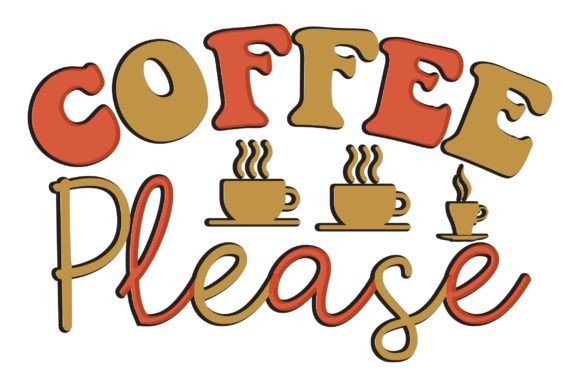
The immediate takeaway from this Coffee Shop,retro T-shirt Design is its strong nostalgic pull. It captures that specific "coffee shop" aesthetic that has become ubiquitous in modern lifestyle branding. The retro vibe suggests warmth, comfort, and a slow morning ritual, which translates beautifully into textile art. Unlike generic clip art, this design feels intentional. The layout is balanced, avoiding the cluttered look that often plagues poorly digitized graphics.
For the craft business owner, this mood is your best friend. It doesn’t scream for attention; it invites it. When you place this on a garment or accessory, it signals a curated, thoughtful brand identity. It works particularly well for small shop product lines that focus on self-care, morning routines, or cozy home aesthetics. The visual personality is approachable yet stylish, making it a versatile choice for both personal use and commercial resale.
Real-World Application: Where Does This Fit?
I don’t believe in one-size-fits-all solutions in embroidery. Every embroidery project has constraints, and understanding where Coffee Shop,retro T-shirt Design shines is crucial. Here is how it performs across different categories:
- Custom Apparel and Sweatshirt Embroidery: This is the natural home for this design. On a heavyweight cotton hoodie or a structured t-shirt, the retro theme resonates perfectly. The design likely utilizes a mix of satin stitch for outlines and fill stitch for background elements, creating a textured, premium feel. It looks professional on chest placements and makes a bold statement on back prints.
- Tote Bag Design and Aprons: Canvas and cotton twill are forgiving fabrics that allow the thread colors to pop. A coffee-themed graphic on a canvas tote or a kitchen apron feels organic and functional. It elevates a basic item into a handmade product with character. For an Etsy seller, these are high-demand items, and this design provides the visual hook needed to stand out in search results.
- Baby Embroidery and Nursery Decor: Don’t overlook the potential here. If the design features softer curves or playful typography, it can work beautifully on baby onesies, burp cloths, or nursery wall hangings. The retro style adds a timeless quality that parents appreciate, moving away from fleeting trends.
- Embroidered Patch and Caps: For commercial embroidery on caps or as detachable patches, the clarity of the design is key. If the details are crisp, it will hold up well on curved surfaces like hats. However, this requires careful hoop placement to ensure the perspective remains correct.
Technical Considerations and Potential Pitfalls
No design is perfect, and blind faith in a digital file is a recipe for ruined fabric. When evaluating Coffee Shop,retro T-shirt Design, there are several areas where you must exercise caution.
Small Hoop Sizes and Detail Level: If you attempt to stitch this design in a very small hoop, you risk losing critical details. Tiny text or intricate decorative accents may merge into a muddy blob if the resolution isn’t sufficient. Always inspect the small details before committing to a run. If the design includes fine lines, ensure your machine can handle them without skipping stitches.
Fabric Texture and Stability: The success of any embroidery project depends heavily on the substrate. Avoid using this design on highly textured fabrics like heavy bouclé or stretchy jersey unless you are using a proper stabilizer and have tested the combination first. Stretchy fabrics can distort the shape, ruining the retro symmetry that makes the design appealing. Similarly, thin fabrics may pucker if the stitch density is too high. You need a stabilizer that matches the weight of your fabric to keep the finished product flat and professional.
Thread Color Contrast: Retro designs often rely on specific color palettes to achieve their vintage look. Ensure your thread colors provide enough contrast against your fabric. On dark fabrics, light threads might get lost, while on light fabrics, dark threads might overwhelm the subtle details. Test your colorway in a black-and-white mockup to check the value contrast before loading your hoops.
Practical Designer Notes for Success
To get the most out of this digital embroidery file, follow these practical steps:
- Test on Scrap Fabric: Never assume a design will work on your final material. Stitch it out on a scrap piece of the same fabric type to check for puckering, tension issues, or detail loss.
- Review Stitch Density: High density can make a project stiff and uncomfortable, especially on baby clothes or lightweight tees. Low density might look sparse on thick fabrics. Adjust if necessary, or choose the right fabric weight to match the design’s requirements.
- Confirm Licensing: Before selling any custom apparel or printable mockups, verify the license terms. Some design assets are for personal use only. If you are building a craft business, you need clear commercial rights to avoid legal issues.
- Inspect Corners and Curves: Check how the design handles corners. Sharp angles can sometimes cause thread breaks or bird’s nests if not digitized correctly. Smooth curves should flow naturally with the eye.
Impact on Brand and Customer Trust
In the world of handmade goods, presentation is everything. A well-executed Coffee Shop,retro T-shirt Design does more than just decorate a shirt; it builds trust. Customers associate clean stitching, accurate colors, and thoughtful design choices with quality. When a buyer receives a personalized gift or a boutique item that looks professionally finished, they are more likely to leave positive reviews and return for future purchases.
This design also enhances brand consistency. If your shop focuses on cozy, retro-inspired lifestyle products, having a cohesive library of designs like this helps create a recognizable visual language. It signals to your audience that you understand their aesthetic preferences. Furthermore, the versatility of this design allows for creative marketing. You can use it in printable mockups for online listings, showcase it on various product types like mugs and cards (if applicable to your medium), and highlight its adaptability in social media content.
Final Verdict
Coffee Shop,retro T-shirt Design is a solid addition to any embroiderer’s library. It strikes a balance between trendy appeal and classic comfort, making it suitable for a wide range of applications. From holiday embroidery gifts to everyday small business merchandise, it offers great value. Just remember that the magic lies in the execution. Take the time to prep your fabrics, stabilize your projects, and test your threads. When done right, this design transforms from a simple graphic into a cherished handmade product that customers will love to wear and display.