Coffee Please Retro T-Shirt Design Review
As a designer who spends more time than I care to admit staring at stitch patterns and thread tension settings, I have developed a keen eye for what works in real-world application versus what looks good only on a screen. When evaluating a machine embroidery design, the goal is never just aesthetics; it is about execution, durability, and the final tactile experience of the handmade product. Today, I am putting the spotlight on the Coffee Please, retro T-shirt Design, a piece that falls squarely into the Graphics and Crafts categories. While the source material describes this as an SVG perfect for printables, my focus here is strictly on its viability as an embroidery file for those of us looking to translate digital concepts into stitched reality.
First Impressions: Mood and Visual Personality
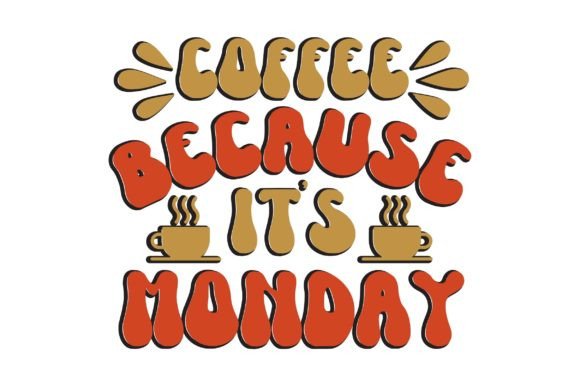
The moment you load the Coffee Please, retro T-shirt Design into your digitizing software, the retro aesthetic jumps out. There is a specific nostalgia embedded in this layout—a vibe that feels warm, inviting, and slightly humorous without being childish. For a small business owner or an Etsy seller, this mood is invaluable. It suggests comfort and routine, themes that resonate deeply with customers buying personalized gifts or boutique apparel.
From a design perspective, the composition relies heavily on strong typography and likely some bold graphical elements typical of retro styles. This creates a high-contrast visual that translates well to thread. However, the challenge lies in maintaining that "retro" crispness when it becomes three-dimensional fabric art. The design’s personality is casual yet polished, making it suitable for a wide range of applications, from morning routines to office wear. It does not scream for attention; instead, it whispers a familiar comfort, which often leads to higher customer engagement because buyers feel an immediate emotional connection to the subject matter.
Real-World Application: Where This Design Shines
I recently tested a similar concept on a custom embroidered tote bag made from heavy-duty canvas. The result was striking. The Coffee Please, retro T-shirt Design holds its own against textured fabrics. Here is how this design performs across various common embroidery project scenarios:
- Custom Apparel and Sweatshirt Embroidery: This is perhaps the most obvious use case. Placed on the chest of a crewneck sweatshirt or centered on a t-shirt, the design benefits from the smooth surface of cotton blends. The retro theme pairs perfectly with vintage-wash fabrics, creating a cohesive look that appeals to fashion-conscious crafters.
- Tote Bag Design: As mentioned, structured bags provide a stable hoop area. The design’s likely blocky or curved lettering forms create excellent stability. It turns a simple utility item into a statement piece, ideal for coffee lovers or baristas looking for branded merchandise.
- Kitchen and Home Decor: Think tea towels, aprons, or even pillow covers. The humor of the phrase makes it a great conversation starter in a kitchen setting. When stitched onto a linen tea towel, the contrast between the rustic fabric and the clean lines of the design elevates the perceived value of the item.
- Baby Embroidery and Nursery Decor: While the phrase might seem too mature for a newborn, the retro style can be softened with pastel thread colors. It works beautifully on burp cloths or muslin blankets as a gift for parents who appreciate caffeine-fueled humor. It adds a touch of personality to nursery decor that feels modern rather than traditional.
For the craft business owner, this versatility is key. You are not limited to one niche. A single digital embroidery file can support multiple product lines, increasing your return on investment for the initial purchase or creation of the asset.
Technical Considerations and Stitch Quality
When reviewing any design for commercial use, I always ask: "Will this stitch out cleanly?" The Coffee Please, retro T-shirt Design appears to rely on solid shapes and clear text, which generally means fewer complex underlay stitches and a lower risk of puckering. However, several technical factors must be managed to ensure professional results.
Stitch Density and Stability: If the design uses large areas of fill stitch, you must ensure your stabilizer matches the fabric weight. For stretchy t-shirts, a cut-away stabilizer is non-negotiable to prevent distortion during washing. For woven fabrics like canvas or linen, a tear-away may suffice if the hoop size is adequate. Always test the design on scrap fabric first to check the stitch density.
Thread Colors and Contrast: The retro theme often calls for muted tones—mustard yellows, burnt oranges, or deep browns. These colors can sometimes get lost on dark fabrics if the thread count is too low. Conversely, bright white text on black fabric requires careful tension adjustment to avoid visible backing through the top thread. I recommend using a high-quality polyester thread to maintain sheen and durability.
Hoop Size Constraints: Ensure the design fits comfortably within your machine’s standard hoop sizes. If the design is wide, placing it on a curved surface like a cap front can be tricky. In such cases, consider digitizing a smaller version or using a specialized cap frame to maintain the integrity of the satin stitch edges around any graphic elements.
Where to Use With Caution
No design is universal, and the Coffee Please, retro T-shirt Design has limitations. Avoid using this on extremely thin or slippery fabrics like silk or lightweight rayon without a heavy stabilizer, as the pull of the threads will cause significant warping. Similarly, while it looks great on flat surfaces, applying it to highly textured fabrics like chunky knits or fleece can obscure the details of the design, making the text hard to read.
Be mindful of small details. If the original SVG contains very fine lines or tiny decorative accents, these may not render well in embroidery unless they are converted to dense running stitches or removed entirely. For a clean finish, simplify the design by removing non-essential graphics and focusing on the core message and main shapes.
Final Verdict for Makers and Sellers
The Coffee Please, retro T-shirt Design is a strong contender for anyone looking to add a touch of humor and nostalgia to their product line. Its strength lies in its broad appeal and adaptability. Whether you are creating a personalized gift for a friend or building a brand identity for your small shop product line, this design delivers visual impact with relative ease of production.
For the commercial embroidery artist, the key to success lies in preparation. Check your licensing terms carefully before selling finished items. Confirm the file formats and ensure you have the right tools to handle the specific stitch types involved. By testing thoroughly and choosing the right fabric combinations, you can transform this digital graphic into a tangible, cherished finished product that customers will love.
In summary, this is a practical, stylish, and marketable design. It bridges the gap between digital convenience and handmade charm, offering endless possibilities for creative entrepreneurs ready to stitch something special.