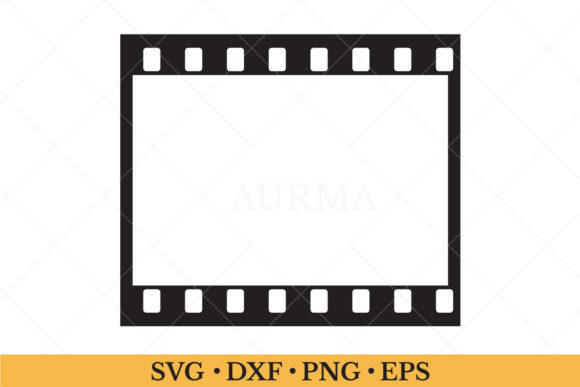
Camera Film Strip Svg Embroidery Review
As a designer who spends more time troubleshooting stitch density than actually designing, I approach every new machine embroidery design with a healthy dose of skepticism. The market is flooded with digital assets that look stunning in a software preview but turn into a tangled nightmare once the needle starts moving. This week, I pulled up the Camera Film Strip Svg to see if it holds up under the pressure of real-world production. I am evaluating this asset not just as a graphic, but as a functional component for custom apparel, boutique merchandise, and personalized gifts.
The concept itself is nostalgic and versatile. A retro 35 mm negative film strip evokes memories, storytelling, and visual art. For an Etsy seller or small shop owner, this theme taps into a well-established aesthetic that appeals to photographers, creatives, and anyone who appreciates vintage vibes. But does the execution match the mood? Let’s dig into how this design performs when translated from screen to fabric.
First Impressions and Visual Personality
When you first load the Camera Film Strip Svg, the layout immediately suggests a linear, horizontal flow. This is crucial because it dictates where the design can live on a garment or accessory. Unlike circular monograms or complex centerpieces, a film strip works beautifully along seams, across chest panels, or down the side of a tote bag. The visual personality is clean and graphic. It relies on strong outlines rather than intricate shading, which is a smart choice for embroidery.
The "blank frame" aspect of the description is particularly interesting. In a digital context, this might mean empty squares. In embroidery, however, those frames offer a unique opportunity for contrast. You aren't just stitching a border; you are creating a canvas within a canvas. This adds depth to the finished product. Whether you use it as a standalone motif or integrate it into a larger composition, the design feels professional and intentional. It doesn’t scream "clipart"; it whispers "curated collection."
Real-World Application: The Tote Bag Scenario
To test this design properly, I imagined a specific client request: a custom embroidered tote bag for a local photography workshop. The client wanted something subtle but recognizable, something that signaled their passion without being overly loud. The Camera Film Strip Svg fits this brief perfectly.
On a canvas tote, the design would likely be placed diagonally across the front panel or centered horizontally near the top edge. Because the film strip has distinct perforations (the little holes along the edges), it provides natural stopping points for the eye. When stitched, these details create a rhythmic pattern that is pleasing to look at. If you use a contrasting thread color for the sprocket holes, the design gains texture and realism. It transforms from a simple shape into a recognizable object.
This same logic applies to other items. Imagine this design on a sweatshirt, running along the shoulder seam. Or perhaps on a baby onesie, where the film strip frames a tiny embroidered camera icon or the child’s name. The versatility here is high. It bridges the gap between craft business items and personal keepsakes. For holiday gifts, wrapping a mug or a journal with a tag featuring this embroidery adds a layer of thoughtfulness that generic prints cannot match.
Stitching Performance and Technical Considerations
Not all graphics translate equally well to thread. The success of the Camera Film Strip Svg depends heavily on how the file was digitized. Since we are dealing with a vector-based source (SVG) that needs to be converted for machine use, the quality of the resulting embroidery file is paramount.
Satin Stitch vs. Fill Stitch: The outer borders of the film strip should ideally be executed in a satin stitch to give a crisp, defined edge. If the digitizer used fill stitches for the entire outline, the design might look bulky and lose its delicate, vintage feel. The inner frames could benefit from a light fill or even a running stitch if the goal is minimalism, but solid fills work best for durability.
Stitch Density: This is where many designs fail. If the stitch density is too low, the underlying fabric will show through, making the black frames look gray and muddy. If it is too high, the fabric may pucker, especially on lightweight materials. For this design, a medium density is ideal. It allows the white space (or negative space) to breathe while keeping the lines sharp.
Hoop Size and Placement: The linear nature of the film strip means it requires a hoop that accommodates width. Standard 4x4 hoops might cut off parts of a long strip, so you need to plan your placement carefully. If you are working on curved surfaces like caps, the flat geometry of a film strip might distort unless the digitizing accounts for the curve. Always check the hoop size limitations before committing to a final run.
Where to Use It Carefully
While this design is robust, there are scenarios where it might struggle. Avoid using this on highly textured fabrics like heavy bouclé or thick fleece, as the fine details of the film strip perforations may get lost. Similarly, on stretchy knits, the rigid straight lines of the film strip can warp if proper stabilizer isn’t used. A tear-away or cut-away stabilizer is essential here to prevent puckering.
Another consideration is scale. On very small items, such as a standard embroidered patch or a tiny lapel pin area, the individual frames might become indistinguishable blobs of thread. Ensure your final product size allows enough room for each frame to be read clearly. If you are shrinking the design significantly, test it on scrap fabric first to ensure the details remain intact.
Color and Thread Selection
The beauty of this design lies in its adaptability to thread colors. While a classic black-on-white or black-on-denim look is timeless, don’t be afraid to experiment. A cream-colored film strip on a navy blue background offers a softer, more romantic vibe suitable for nursery decor or wedding favors. A gold or metallic thread for the borders can elevate the design for premium gift packaging.
Contrast is key. If you are embroidering on dark fabric, ensure your thread color is opaque enough to stand out. Some lighter threads require multiple passes, which increases stitching time and potential for thread breaks. Always do a test run on the actual fabric you intend to use. Fabric texture can drastically change how the design appears; what looks good on smooth cotton might look different on linen or polyester blend.
Final Verdict for Designers and Sellers
The Camera Film Strip Svg is a solid addition to any design assets library. It is not overly complex, which makes it accessible for beginners, yet it has enough character to satisfy experienced designers looking for quick, effective motifs. It works exceptionally well for personalized gifts, allowing customers to add their own photos or text inside the blank frames digitally before printing or embroidering.
For the craft business owner, this design offers high perceived value with relatively low production cost. It is easy to produce, durable, and appeals to a broad audience. Whether you are listing it on Etsy, selling at craft fairs, or fulfilling orders for a boutique brand, this motif delivers a professional finish. Just remember to respect licensing agreements, verify your stitch density settings, and always prioritize testing. When executed correctly, this film strip design will not only look great—it will sell.