Witch Brew SVG Design Review
As a designer who spends half her life staring at stitch density charts and the other half arguing with fabric tension, I don’t just buy designs because they look cute on a screen. I buy them because they translate into wearable, sellable art. When I first pulled up Witch Brew SVG Design, my immediate reaction was one of recognition. It taps directly into that cozy, slightly spooky aesthetic that dominates the fall season, but the real question is: does it hold up when pushed through an embroidery machine?
This review isn’t about the digital preview. It’s about what happens when you thread your machine, hoop your fabric, and hit start. We are looking at this from the perspective of a craft business owner or serious hobbyist who needs to know if this file will result in a professional finished product or a tangled mess.
The First Impression: Mood and Layout
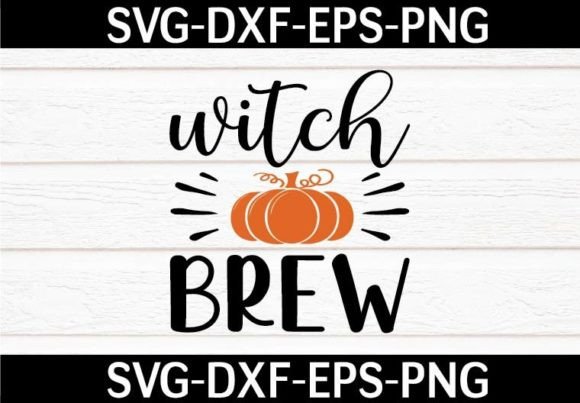
The visual personality of this design is undeniably retro. It doesn’t try to be modern minimalism; instead, it leans into that warm, nostalgic vibe that screams autumn. The composition feels balanced, which is crucial for embroidery. If a design is too top-heavy or has uneven negative space, it can look lopsided once stitched out. This layout seems to favor a central focal point, likely the cauldron or brewing pot, surrounded by complementary elements like bats, stars, or text.
For an embroiderer, the "mood" dictates the market. This isn’t a design for a corporate polo shirt. It belongs in the realm of handmade gifts, seasonal decor, and boutique apparel. It creates an instant emotional connection with customers who are looking for that specific "witchy" charm without being overly aggressive or scary. It’s approachable Halloween energy, perfect for September and October sales spikes.
Real-World Application: Where Does It Fit?
Let’s talk about where this design actually shines. In my experience, certain motifs perform better on specific items. For Witch Brew SVG Design, the strongest candidates are clearly tote bags and sweatshirts.
Imagine a canvas tote bag featuring this design centered on the front panel. The sturdy fabric can handle the weight of the stitches, and the casual nature of a tote allows for a larger, more detailed print. Alternatively, placing this on the chest of a heather grey or black sweatshirt creates an instant bestseller for craft fairs. The retro theme pairs beautifully with vintage-style fabrics.
It also works exceptionally well for personalized gifts. Think of a baby onesie for a Halloween birthday or a nursery pillow cover. The design isn’t so intricate that it overwhelms a small garment, provided you scale it correctly. However, you must be careful with scaling. A design that looks spacious on a 5x7 inch hoop might become cluttered if you try to shrink it down for a baby hat without adjusting the digitization.
Technical Performance and Stitch Clarity
When evaluating any machine embroidery design, stitch density is king. If the fill stitches are too dense, the fabric will pucker and warp. If they are too sparse, the underlying material shows through, ruining the aesthetic. While I cannot verify the exact stitch count without testing the specific file version, the visual cues suggest a moderate density that should play nicely with standard cotton blends and fleece.
The use of satin stitch for outlines or text is critical here. If the design includes lettering (like "Witch Brew"), the satin columns need to be wide enough to prevent thread breakage but narrow enough to maintain legibility. From a design standpoint, high-contrast thread colors are essential. A dark brown cauldron on a black background will disappear. You need to plan your color palette carefully—perhaps using gold, orange, or cream threads against darker backgrounds to make the details pop.
Another technical consideration is the stabilizer. For this type of design, especially if it involves multiple elements, a cut-away stabilizer is often safer than tear-away, particularly for stretchy fabrics like sweatshirt material. This ensures the design retains its shape after washing, which is vital for customer satisfaction.
Where to Use With Caution
Not every surface is created equal. There are specific scenarios where Witch Brew SVG Design might struggle:
- Small Hoop Sizes: If you attempt to fit this entire design into a very small hoop (like 4x4 inches), fine details may get lost. The eye won’t be able to distinguish individual elements, resulting in a muddy blob rather than a crisp image.
- Textured Fabrics: Avoid using this on heavily textured materials like bouclé or thick chenille. The embroidery will sink into the texture, losing definition. Stick to smooth knits or wovens.
- Curved Surfaces: While caps are popular, applying a large, complex design to the curved front of a cap requires advanced hooping techniques. If the design isn’t digitized specifically for curvature, it may distort.
- Dense Stitch Areas: If the design features large blocks of solid fill, test it on scrap fabric first. On thin fabrics, this can cause significant puckering.
Impact on Product Value and Brand Consistency
For Etsy sellers and small shop owners, presentation is everything. A well-executed embroidery project elevates the perceived value of a handmade product. Using a cohesive, high-quality design like this helps build brand consistency. If your shop specializes in cozy, retro-inspired goods, having a strong signature design like Witch Brew SVG Design reinforces that identity.
Customers trust brands that deliver professional results. If the stitching is clean, the colors are vibrant, and the placement is precise, buyers are more likely to leave positive reviews and return for future purchases. Conversely, a poorly executed design can damage your reputation quickly. This is why testing is non-negotiable.
Practical Designer Notes Before You Stitch
Before you commit this design to a final product, follow these steps to ensure success:
- Test on Scrap Fabric: Always run a test stitch-out on the same type of fabric you plan to use. This reveals tension issues and color interactions early.
- Check Black and White Mockups: View your design in grayscale to ensure there is enough contrast between different elements. If two shades of gray look identical in the mockup, they will look identical when stitched.
- Inspect Small Details: Zoom in on the digital file. Are there tiny triangles or lines that might not survive the stitching process? Simplify if necessary.
- Confirm Licensing: If you intend to sell finished items, double-check the commercial use rights. Some files allow personal use only, while others permit limited commercial sales. Ignoring this can lead to legal trouble.
- Compare Backgrounds: Test the design on both light and dark fabrics. A design that looks great on white might look completely different on navy blue due to how the thread reflects light.
Final Verdict
Witch Brew SVG Design is a strong contender for anyone looking to capitalize on the fall and Halloween seasons. It strikes a balance between thematic relevance and aesthetic appeal, making it suitable for a wide range of applications from custom apparel to personalized gifts.
Its retro vibe adds character, and its layout appears forgiving for various hoop sizes, provided you respect the limits of detail and density. For the discerning embroiderer, this file offers good potential for creating high-value craft business inventory. Just remember: the magic isn’t just in the file—it’s in the execution. Test thoroughly, choose your threads wisely, and let the design do the talking.
Whether you are a seasoned pro or a maker just starting out, this design fits comfortably into the Graphics and Crafts categories as a versatile asset. Use it to create memorable pieces that customers will cherish, and you’ll find it earns its place in your digital library year after year.