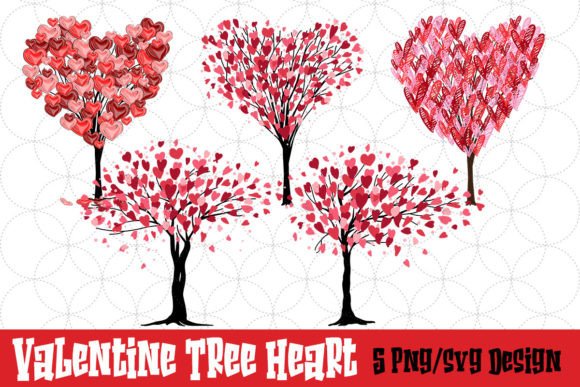
Red Heart Tree Valentine Day Sublimation
When I pull a new design file into my digitizing software, I am rarely looking for just another pretty picture. I am looking for viability. Can this stitch cleanly? Will it hold up after twenty washes? Does it translate well from a screen to the tactile reality of fabric? Today, I am putting Red Heart Tree Valentine Day Sublimation under that same microscope. As an experienced designer and reviewer, I have seen countless "retro" and "vintage-inspired" assets flood the market, but few manage to balance aesthetic charm with technical precision. This piece claims to be a versatile sublimation and embroidery asset, and I want to see if it delivers on that promise for real-world applications.
First Impressions: Mood and Visual Personality
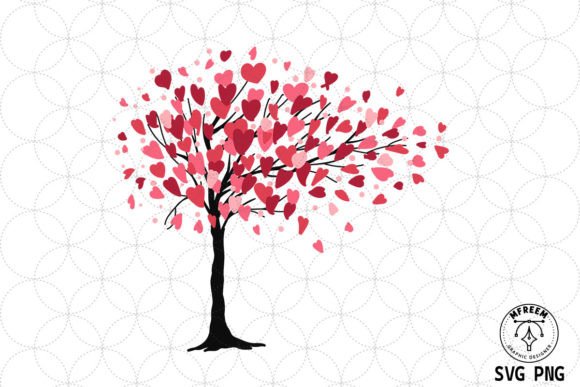
The moment you load the preview, the mood is unmistakable. We are not dealing with the sterile, vector-perfect hearts of modern minimalism. Instead, this design leans heavily into a nostalgic, cozy warmth. The concept of a tree formed by heart shapes immediately evokes growth, connection, and organic love. It feels grounded. For a crafter or small business owner, this is a crucial distinction. In a sea of generic pink and red valentines, a botanical-heart hybrid stands out because it suggests storytelling. It invites the wearer or user to ask, "What does this mean?" That engagement factor is priceless in handmade commerce.
The layout appears balanced, likely centered, which is ideal for chest placements on custom apparel or the center of tote bag designs. The visual weight seems distributed evenly, suggesting that when converted into an embroidery file, the hoop movement will be smooth rather than erratic. However, the retro aesthetic implies some texture or irregularity in the lines, which brings us to the most critical part of any review: how it handles the needle.
Real-World Application: From Screen to Stitch
Let’s imagine a specific scenario. You are preparing inventory for a boutique craft fair or an Etsy shop launch. You have decided to create a line of personalized gifts using a soft, heather grey cotton blend sweatshirt. You choose Red Heart Tree Valentine Day Sublimation as the focal point. Why? Because the retro vibe pairs exceptionally well with vintage-wash fabrics. It doesn’t look like a cheap transfer; it looks like a curated design choice.
In this context, the design functions beautifully as a statement piece. If you were to embroider this, the interplay between the tree structure and the heart motifs allows for creative thread choices. You might use a deep burgundy fill stitch for the hearts against a muted sage green satin stitch for the branches, creating a sophisticated contrast that appeals to adults who find traditional Valentine's Day colors too juvenile. This versatility makes it a strong candidate for commercial embroidery projects where brand consistency matters.
Furthermore, its adaptability extends beyond apparel. Picture this design embroidered onto a sturdy canvas tote bag design. The durability required for a bag means we need a design that isn't overly delicate. The structural integrity of a "tree" shape provides natural anchors for stitching, reducing the risk of puckering. Similarly, for baby embroidery items—think onesies or nursery decor—the organic shape is gentle and non-threatening, making it a safe yet stylish choice for new parents looking for unique, personalized gift options.
Technical Considerations and Potential Pitfalls
No design is without its challenges, and transparency is key here. While the overall silhouette is robust, the devil is always in the details. When evaluating this for actual production, several factors demand careful attention.
First, consider the stitch density. If the original sublimation graphic relies on fine gradients or tiny text elements (such as "Be My Valentine" script), these may not translate well into machine embroidery. Tiny lettering often becomes illegible once stitched, especially on stretchy fabrics like jersey knits used for t-shirts. I strongly advise testing the design on scrap fabric first, specifically zooming in on any text or intricate corner details. If the digitization includes dense fill stitches in small areas, you risk needle breakage or fabric distortion.
Second, think about your hoop size and fabric type. Embroidering on curved surfaces like caps or hats requires a design that can accommodate tension changes. A large, sprawling tree design might be difficult to hoop tightly on a standard cap frame without warping the shape. Additionally, textured fabrics like waffle-knit towels or heavy denim can hide the definition of the stitches. On such materials, high-contrast thread colors are essential to ensure the design pops. If you are working with dark fabric, you must confirm that the digitized version includes a proper underlay or backing to prevent the fabric color from showing through the lighter threads.
Another area requiring caution is the use of applique techniques. If this design is intended as an applique design, the clean lines of the tree trunk and heart outlines are vital. Any jagged edges in the source file will result in messy trimming. Ensure your embroidery file has crisp, closed paths. Also, remember to use a stabilizer appropriate for the weight of your garment. A lightweight tea towel needs different support than a thick hoodie, and failing to match them will lead to poor finished product quality.
Strategic Advice for Sellers and Makers
- Test Before You Sell: Never assume a digital preview matches the physical output. Run a test stitch-out on the exact fabric you plan to sell. Check for thread breaks, puckering, and clarity of detail.
- Verify Licensing: Before listing this as a small shop product or using it in commercial embroidery, double-check the license terms. Some digital assets allow personal use only, while others permit selling finished goods. Clarity here protects your reputation and legal standing.
- Mockup Wisely: Use printable mockups to visualize the design on various backgrounds. Compare light and dark fabric backgrounds to ensure the color palette works across your entire collection. This helps in creating cohesive design assets for your marketing.
- Consider the End User: Ask yourself who is buying this. Is it a romantic gift for a partner, or a fun item for a child? The retro style bridges both, but positioning it correctly in your craft business listings will maximize sales. Highlight keywords like "Retro Valentine," "Heart Tree," and "Personalized Gift" to attract the right audience.
Final Verdict
Red Heart Tree Valentine Day Sublimation is more than just a seasonal graphic; it is a versatile foundation for meaningful handmade products. Its strength lies in its emotional resonance and adaptable structure. Whether you are decorating aprons for holiday gatherings, creating unique embroidered patches for jackets, or designing digital templates for other makers, this asset offers a solid starting point.
However, success depends entirely on execution. By respecting the technical limitations of embroidery—particularly regarding detail size, fabric compatibility, and stitch density—you can transform this digital concept into a premium tangible item. For the discerning designer who values both aesthetics and functionality, this design earns a place in the rotation, provided it is treated with the technical care it deserves. It is a tool for building trust with customers who appreciate the nuance of true craftsmanship over mass-produced uniformity.