Ocd Obsessive Coffee Disorder Review
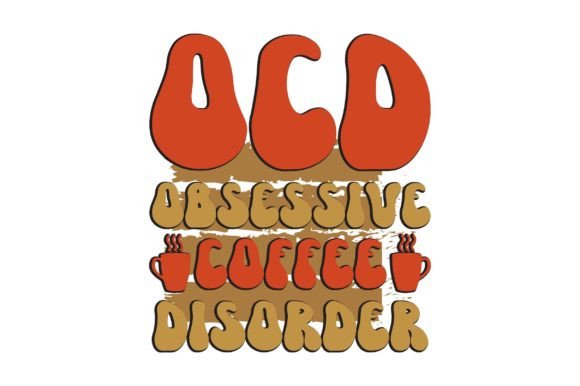
As a designer who has stitched thousands of designs for clients ranging from boutique owners to craft fair hobbyists, I know that the difference between a good product and a great one often comes down to the specific details of the design file. When I first encountered Ocd Obsessive Coffee Disorder, my initial reaction was not just about the humor of the phrase, but how the retro aesthetic would translate into physical stitches. This is not merely a graphic; it is a potential centerpiece for a handmade collection, but like any machine embroidery design, its success depends entirely on execution.
The mood created by this design is immediate and relatable. It taps into a universal truth about coffee culture with a touch of self-deprecating wit. Visually, the retro styling suggests warmth, nostalgia, and approachability. For an embroidery project, this translates well to soft, inviting textures. The layout appears balanced enough to sit comfortably on various surfaces without overwhelming the garment or looking lost in negative space. However, before you commit to stitching this onto your best inventory, we need to dissect how it performs in real-world scenarios.
From Digital File to Finished Product
Imagine you are preparing a custom order for a local coffee shop owner who wants branded merchandise for their staff. You decide to use Ocd Obsessive Coffee Disorder on a heavy-duty canvas tote bag. The first thing I consider is the fabric texture. Canvas offers a sturdy base, which is excellent for holding the tension required for satin stitch areas. If the design features bold lettering, the contrast between the thread colors and the dark or earthy tones of the canvas will likely pop, creating a professional finish that customers can trust.
Now, let's shift the scenario. What if this design is intended for a baby onesie? This is where the practical judgment of a reviewer becomes critical. Embroidery on baby clothes requires extreme care regarding stitch density and stability. If the machine embroidery design includes dense fill stitches around the text, it could create a stiff patch that might irritate sensitive skin. In this case, the retro font style needs to be evaluated closely. If the letters are thin and rely on running stitches, they might look delicate and charming on a soft cotton onesie. But if they are blocky and heavy, they might distort the stretchy fabric when worn. The key is ensuring the design feels like a personalized gift rather than a bulky decoration.
I also envision this design on a sweatshirt for a holiday gift. The cozy nature of the retro theme pairs perfectly with fleece or French terry materials. Here, the visual appeal of the finished product relies heavily on thread selection. A cream-colored thread on a navy blue sweatshirt would highlight the retro vibe, while white on black might feel too harsh. The design assets must be versatile enough to allow for these creative choices. When a customer sees a high-quality embroidered sweatshirt with a clever phrase like this, it signals professionalism and attention to detail, which directly impacts buyer engagement and brand consistency.
Where Caution Is Required
While the concept is strong, there are specific situations where Ocd Obsessive Coffee Disorder might struggle if not handled with expertise. One of the biggest challenges in our industry is working with small hoop sizes. If the design contains intricate corners or tiny lettering, shrinking it to fit a 4x4 inch hoop can result in muddy details. Satin stitches may bleed together, and the text might become illegible. Before using this as an embroidered patch or for small items like cap brims, you must inspect the digitization carefully.
Another area requiring careful consideration is curved surfaces like baseball caps. The curvature of a hat changes how light hits the threads and how the fabric stretches under the needle. A design that looks perfect flat on a mockup might pucker or distort on a curved cap if the stabilizer isn't chosen correctly. Similarly, thin fabrics or highly stretchy materials pose risks. Without proper stabilization, the tension of the embroidery can cause the fabric to gather, ruining the clean lines of the retro design. If you plan to sell these as commercial embroidery projects, you cannot afford a puckered final product.
Dense stitch areas are also a point of contention. If the design uses a lot of fill stitch to create shading or background elements, it adds weight and stiffness. On a kitchen towel or tea towel, this might be acceptable, but on a lightweight pillow cover, it could make the item feel unbalanced. Furthermore, products that need frequent washing, such as aprons or work shirts, require robust stitching. If the design lacks sufficient anchoring stitches, the edges might fray over time, damaging the reputation of your handmade product line.
Practical Designer Notes for Execution
To ensure Ocd Obsessive Coffee Disorder delivers the quality your customers expect, there are several steps you should take before starting production. First and foremost, always test the design on scrap fabric. This simple step reveals how the thread colors interact with your specific material and whether the stitch density causes any pulling. Do not skip this phase, even if you have used similar files before.
Review the stitch density and confirm the hoop size requirements. If the file specifies a large hoop but you intend to use a smaller one, you risk losing detail. Check the small details, particularly the serifs in the retro font, to ensure they remain crisp after stitching. It is also wise to test the design in black and white mockups to verify the contrast levels. Sometimes a color combination looks great on screen but fails in thread form due to similar values.
Compare the results on both light and dark fabric backgrounds. A design that works beautifully on white might get lost on beige unless you adjust the thread colors. Using the proper stabilizer is non-negotiable; the right support prevents distortion and ensures the design sits flat. If you are planning to sell these items, confirm the licensing terms immediately. Some digital embroidery files restrict commercial use, meaning you cannot sell the finished product without purchasing a separate license. This is crucial for Etsy sellers and small shop owners who rely on these graphics for their income.
Final Thoughts on Value and Appeal
In the world of crafts and graphics, the value of a design lies in its versatility and reliability. Ocd Obsessive Coffee Disorder has the potential to be a standout piece in any catalog. Its humor resonates with a wide audience, making it a safe bet for gifts, boutique branding, and custom apparel. Whether you are creating a unique gift for a friend or building a line of small shop products, this design offers a solid foundation.
However, the difference between a mediocre outcome and a masterpiece is in the preparation. By understanding the limitations of the fabric, the constraints of the hoop size, and the nuances of stitch density, you can elevate this design from a simple image to a premium handmade product. When executed correctly, it builds customer trust and enhances the perceived value of your brand. For those looking to expand their portfolio with engaging, conversation-starting pieces, this design is worth the investment of time and testing. Just remember to check the file formats and ensure they match your machine capabilities before you begin stitching.