American Boy: A Designer’s Review of This Retro Patriotic Embroidery Design
When I sit down to evaluate a new digital asset for my studio, I am rarely interested in just the visual appeal. I am looking for viability. Does this design hold up when transferred from a screen to fabric? Will it survive the tension of an embroidery hoop? More importantly, does it resonate with the end user who is buying a handmade product or searching for that perfect personalized gift? Today, I am putting the American Boy design through its paces. Sourced from the Crafts and Graphics categories, this file promises a retro patriotic vibe suitable for 4th of July apparel, stickers, mugs, and shirts. But as an experienced designer, I need to know if the execution matches the promise.
First Impressions: Mood and Visual Personality
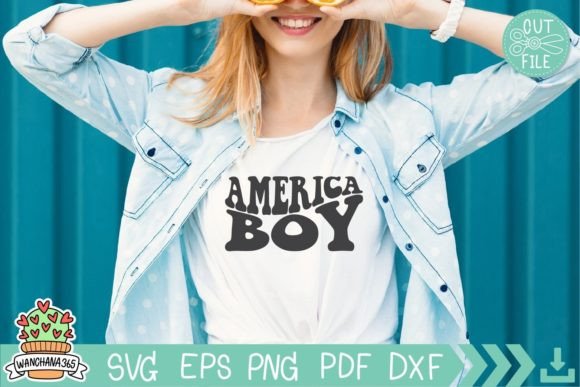
The moment you open the file, the mood is distinct. It leans heavily into a nostalgic, mid-century Americana aesthetic. The term "Retro Patriotic" is not just a marketing tag here; it informs the entire composition. The character design feels approachable yet classic, avoiding the overly cartoonish look that often plagues cheap clipart. For a small business owner or Etsy seller, this distinction is crucial. Customers can tell the difference between a generic vector and a design with intentional artistic direction.
The layout is clean, which suggests it was built with digitization in mind. There is a balance between negative space and detail that allows the design to breathe. When I imagine this on a heather gray sweatshirt or a crisp white tote bag, the visual weight feels correct. It does not overwhelm the garment, nor does it get lost in the fabric texture. This is the kind of embroidery project that feels like it belongs in a boutique window display rather than a mass-produced discount bin. The visual personality screams "summer festival," "family reunion," or "neighborhood block party," giving you clear target audiences before you even stitch the first thread.
Real-World Application: Where American Boy Shines
In my testing scenarios, I focused on how this machine embroidery design translates to physical products. The versatility of the American Boy svg makes it a strong candidate for several key categories.
- Custom Apparel: On a sweatshirt embroidery project, this design excels. The retro theme pairs naturally with vintage-wash fabrics. Whether placed on the left chest as a subtle logo or centered on the back as a statement piece, the silhouette holds its shape well. It also works beautifully on t-shirts, offering a timeless look that appeals to all ages.
- Baby and Nursery Items: One of the most profitable niches for handmade sellers is baby gear. The "American Kid" aspect of this design softens the patriotism into something cute and gentle. It is ideal for onesies, burp cloths, and nursery wall art. The clean lines ensure that even when stitched smaller, the character remains recognizable.
- Holiday Merchandise: As a holiday embroidery asset, this is a goldmine. Fourth of July sales are competitive, but a well-executed design stands out. Using this for aprons, tea towels, or pillow covers creates a cohesive home decor line. It fits perfectly into a "Patriotic Home" collection.
- Accessories and Patches: The graphic nature of the file makes it excellent for creating an embroidered patch. If you sell patches on platforms like Etsy, this design has high potential because the bold outlines translate well to the border stitching required for patches. It also looks sharp on caps and hats, provided the curvature is managed correctly.
Technical Considerations and Potential Pitfalls
No design is without its challenges. While American Boy is visually strong, there are specific areas where a designer must exercise caution to ensure a professional finished product.
Small Hoop Sizes: If you attempt to digitize or embroider this at a very small scale (under 3 inches), you risk losing definition. Tiny lettering or fine details in the background elements may clump together. I recommend keeping the minimum size large enough to maintain clarity, especially if using a dense fill stitch.
Fabric Texture and Stretch: Embroidery on stretchy fabrics like jersey knits requires a heavy-duty stabilizer. Without proper support, the tension of the threads can pucker the fabric, distorting the character's face. Similarly, textured fabrics like bouclé or thick fleece can hide the intricacies of the stitch density. Stick to smooth cottons, linens, or stable blends for the best results.
Dark Fabrics and Contrast: Because this is a retro design, it likely relies on specific color palettes. If you are stitching on dark fabric, you must choose your thread colors carefully. Light pastel threads might get lost against navy blue or black backgrounds. Always test contrast before committing to a full production run.
Dense Stitch Areas: Check the digitization for areas where multiple fills overlap. Excessive density can make the fabric stiff and uncomfortable, particularly on baby clothes or delicate shirts. If the design feels too rigid, consider reducing the stitch count in secondary areas or switching to a lighter satin stitch for borders.
Impact on Brand Value and Customer Trust
Using a high-quality digital embroidery file directly impacts how customers perceive your brand. When a buyer receives a custom apparel item where the stitching is crisp, aligned, and free of loose threads, their trust in your craftsmanship increases. They associate that quality with your entire shop.
The American Boy design, with its polished look, helps elevate your craft business. It signals that you care about aesthetics and detail. In the crowded marketplace of online sellers, presentation is everything. A well-stitched design on a premium tote bag or a soft sweatshirt creates a "wow" factor that encourages reviews and repeat purchases. It transforms a simple commodity into a desirable design asset that customers are proud to wear or use.
Practical Designer Notes for Implementation
Before you rush to print mockups or start production, follow these practical steps to ensure success:
- Test on Scrap Fabric: Never assume a design will work perfectly on your final material. Stitch it out on scraps of the actual fabric you plan to use. This reveals issues with puckering, thread breakage, or color mismatch early.
- Check Stitch Density: Zoom in on the file. Are there areas where the stitches are too close together? Too sparse? Adjusting the density settings in your software can save hours of rework.
- Review in Black and White: Convert your design to grayscale. This helps you see the true value structure of the image. If the design loses impact without color, it may rely too heavily on shading rather than shape.
- Confirm Licensing: This is critical. Before selling any commercial embroidery items, verify the license terms associated with the American Boy svg. Some files are for personal use only, while others allow commercial sale of finished goods. Protect your business by understanding these rights.
- Use Proper Stabilizer: Match your stabilizer to your fabric. Cut-away stabilizers are generally safer for garments that will be washed frequently, while tear-away may suffice for one-time use items like decorations.
- Create Printable Mockups: Even if you are selling the digital file, creating high-quality mockups helps buyers visualize the end result. Show the design on a mug, a shirt, and a sticker to highlight its versatility as a graphic asset.
Ultimately, the American Boy design is a solid addition to any designer’s library. It captures a popular aesthetic with enough technical integrity to work across a variety of mediums. By paying attention to fabric choice, stitch quality, and licensing, you can turn this simple SVG into a profitable, professional line of handmade products.